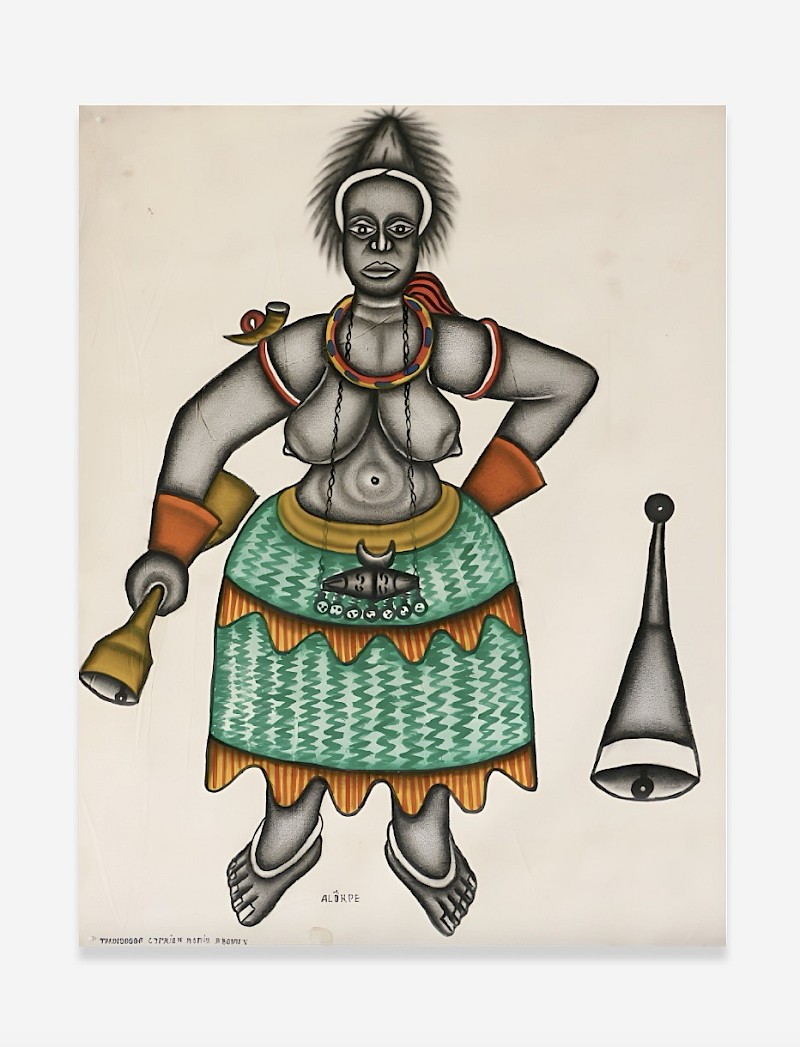
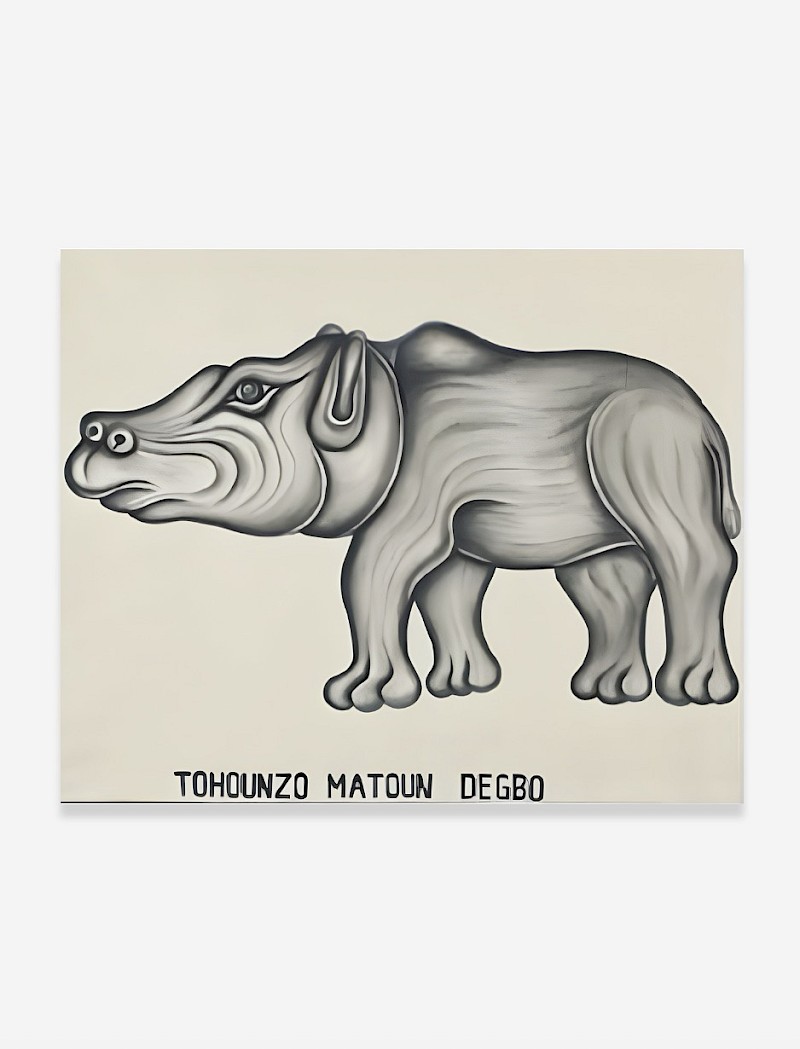
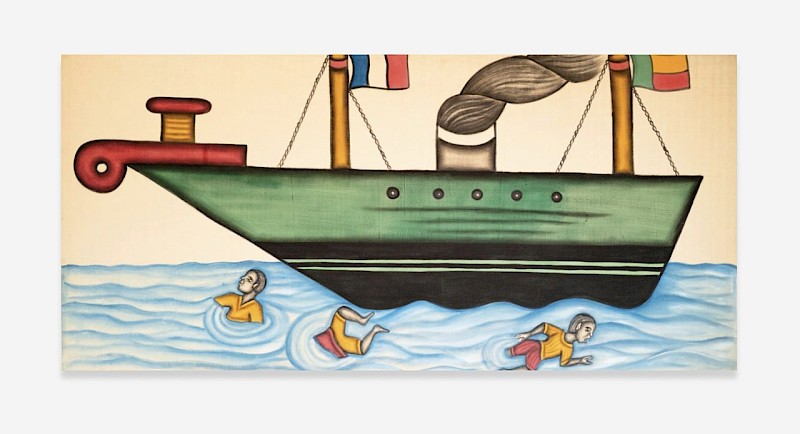
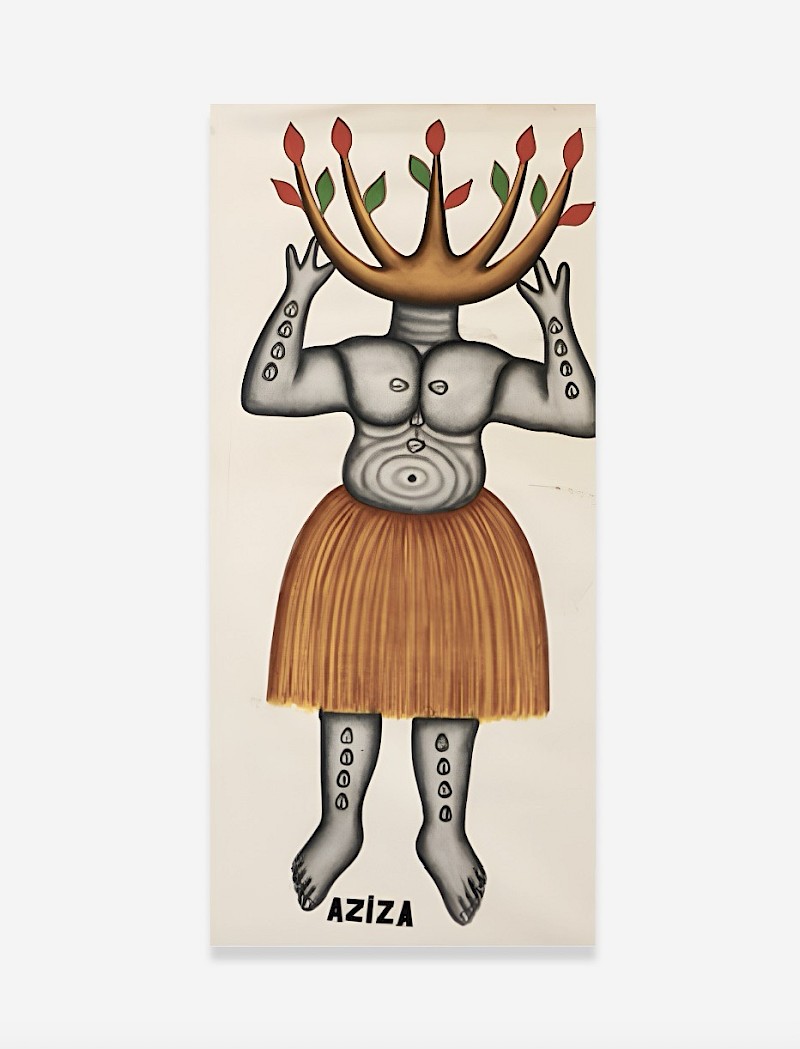
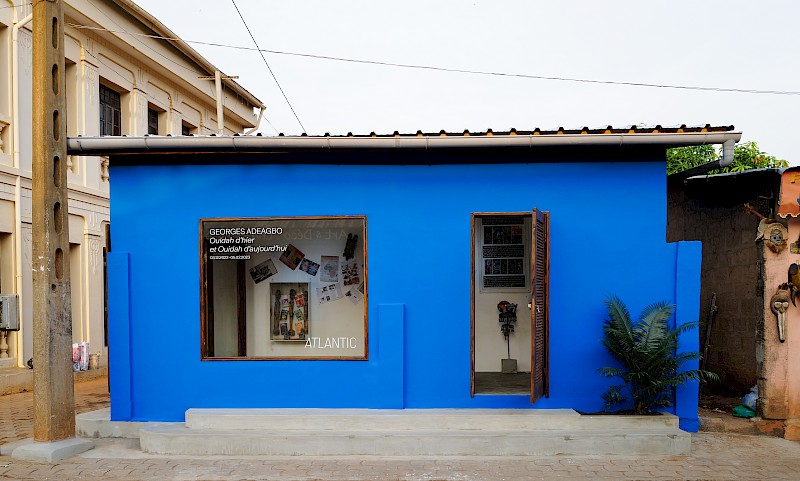
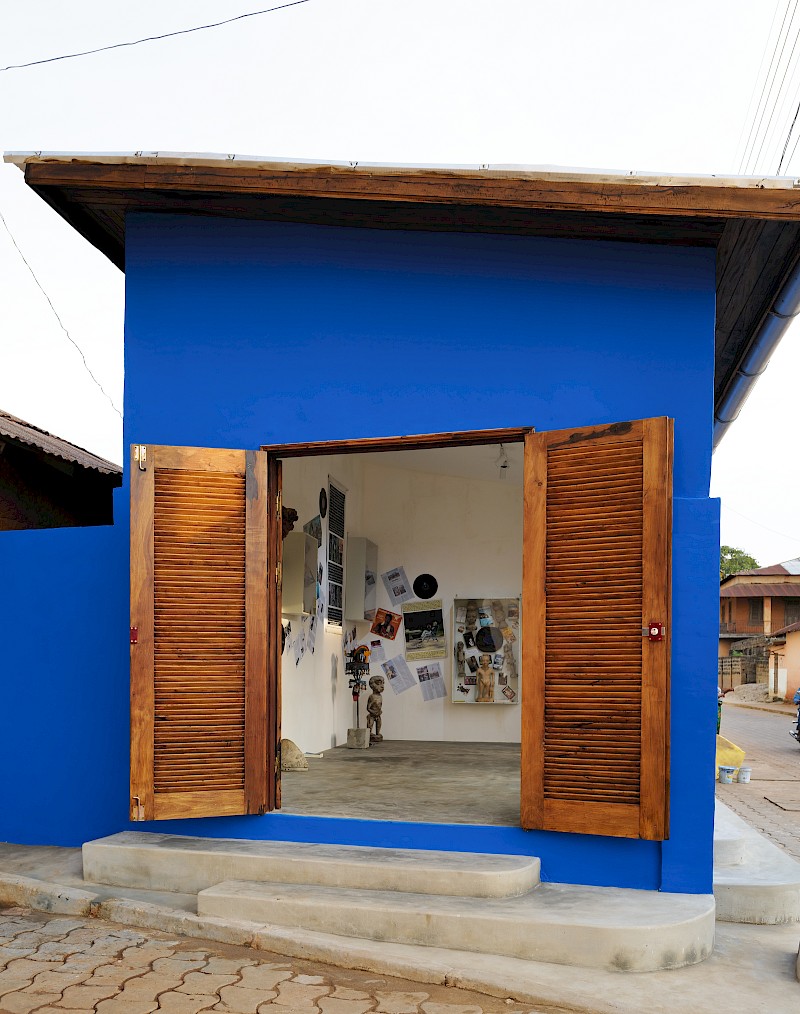
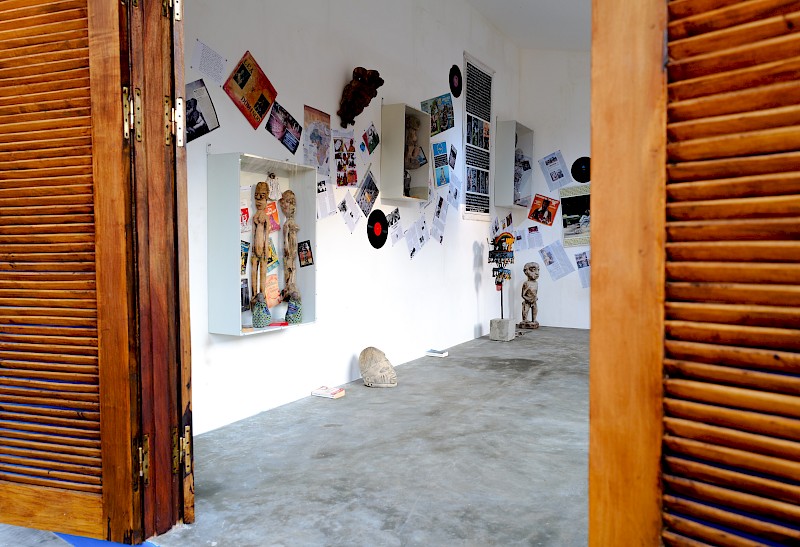
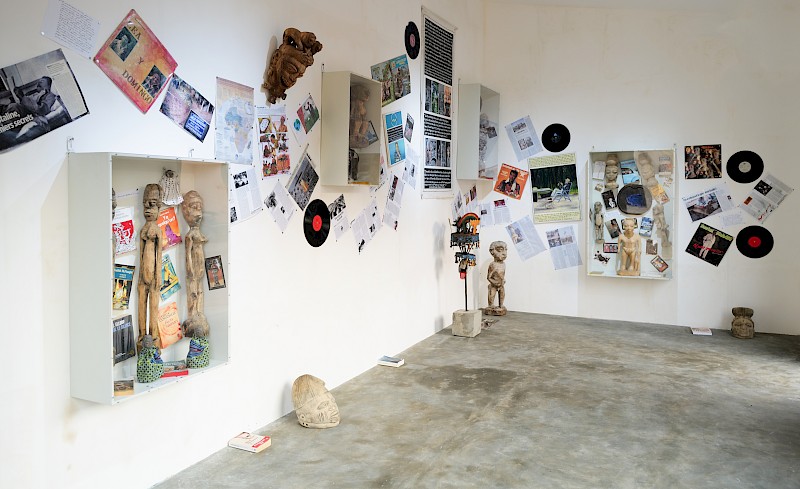
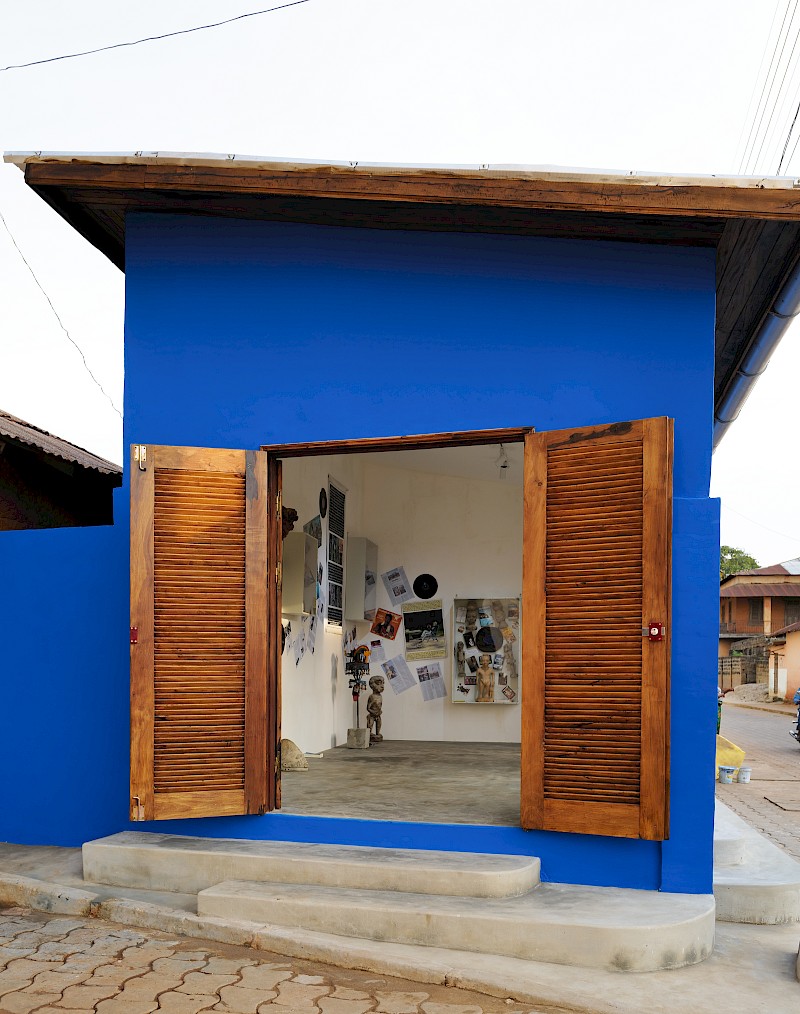
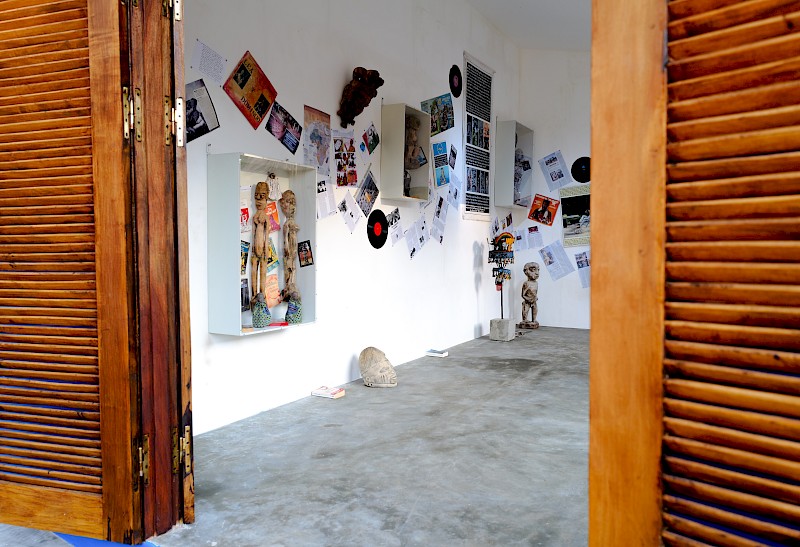
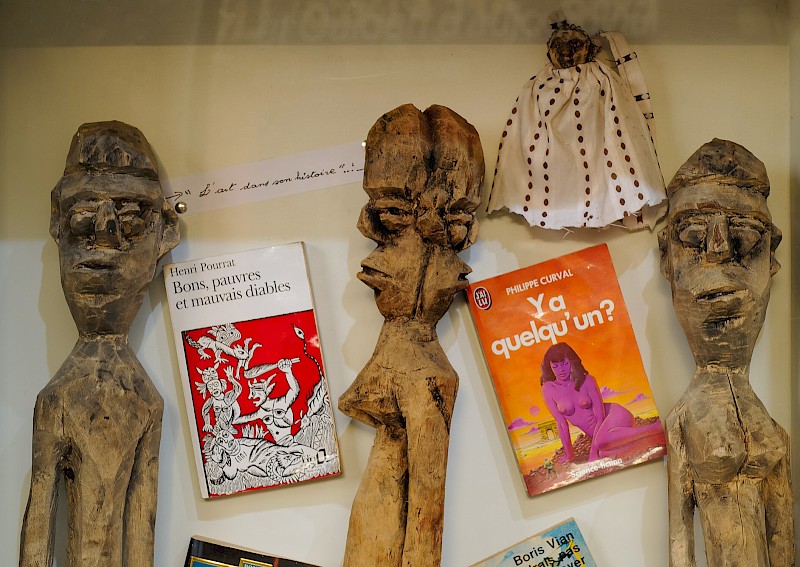
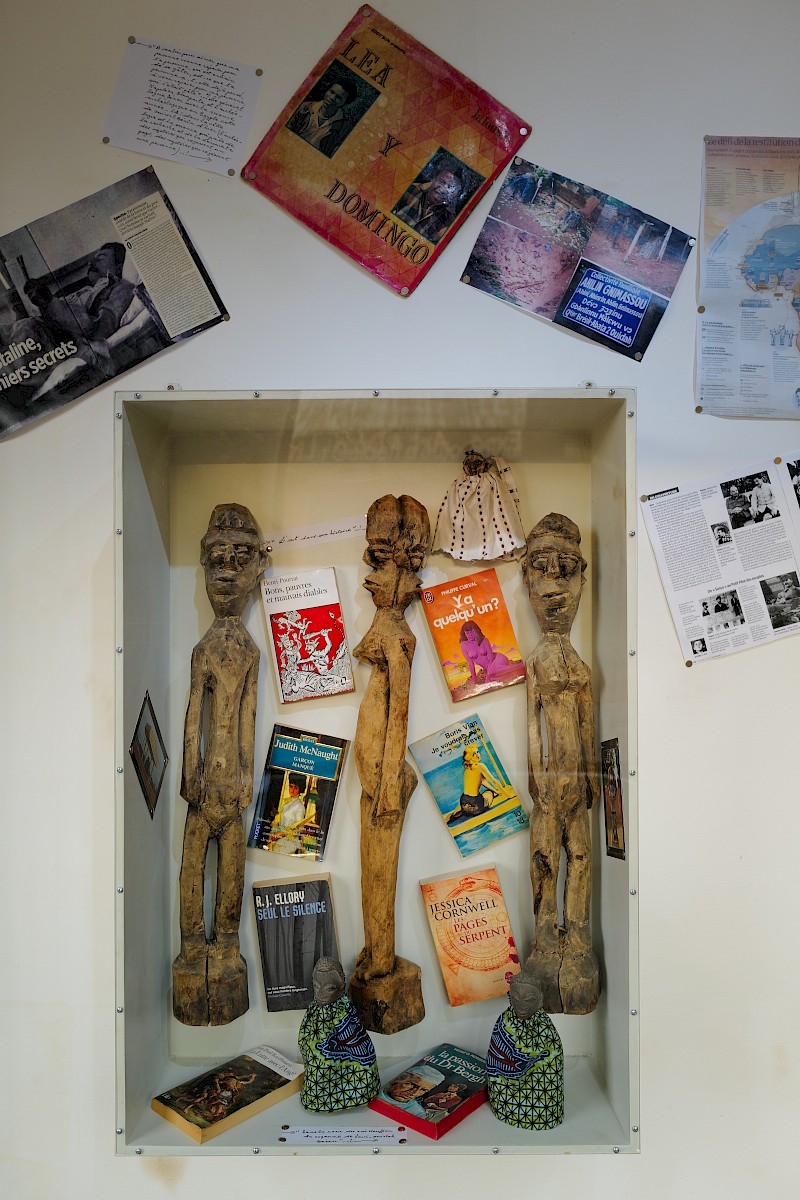
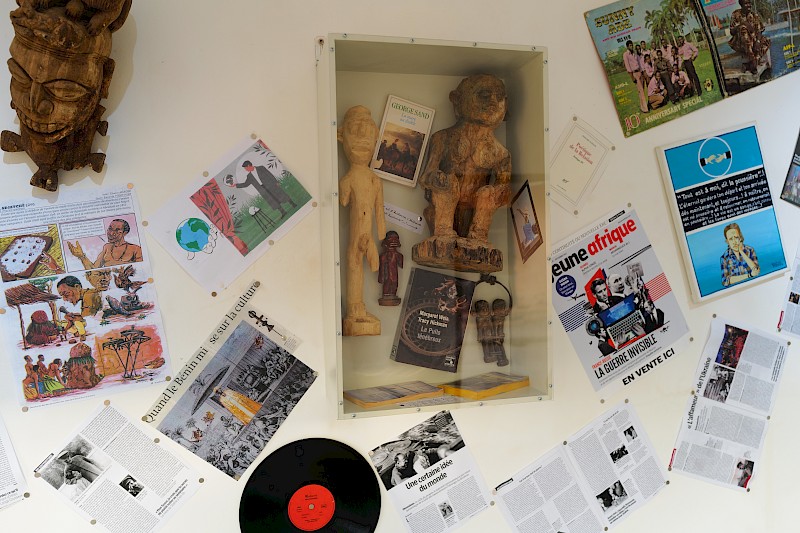
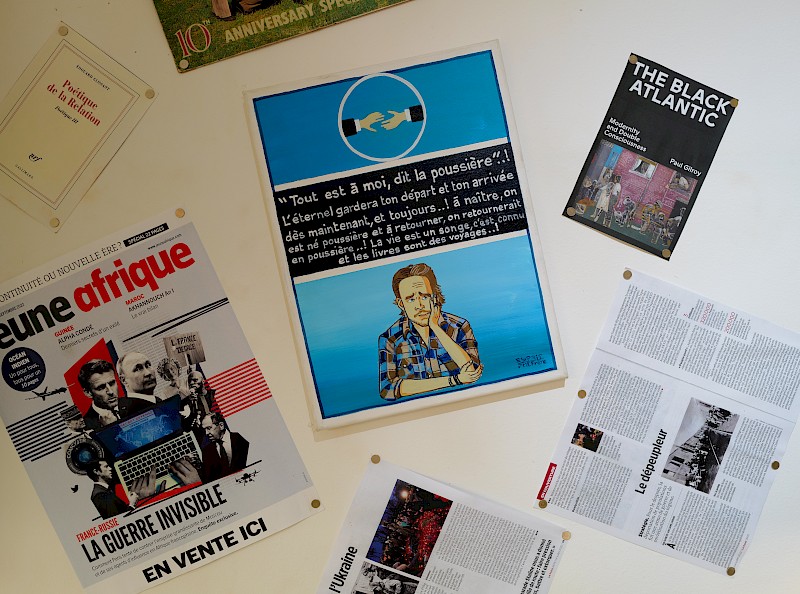
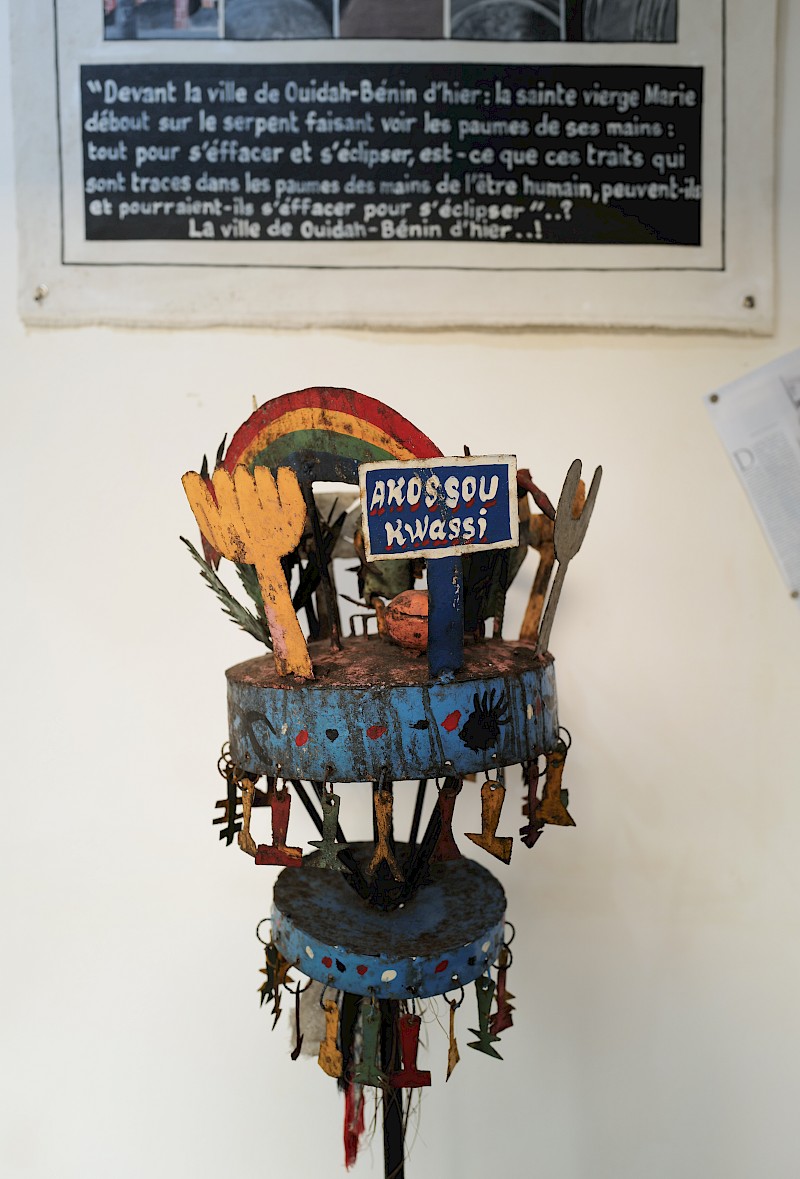
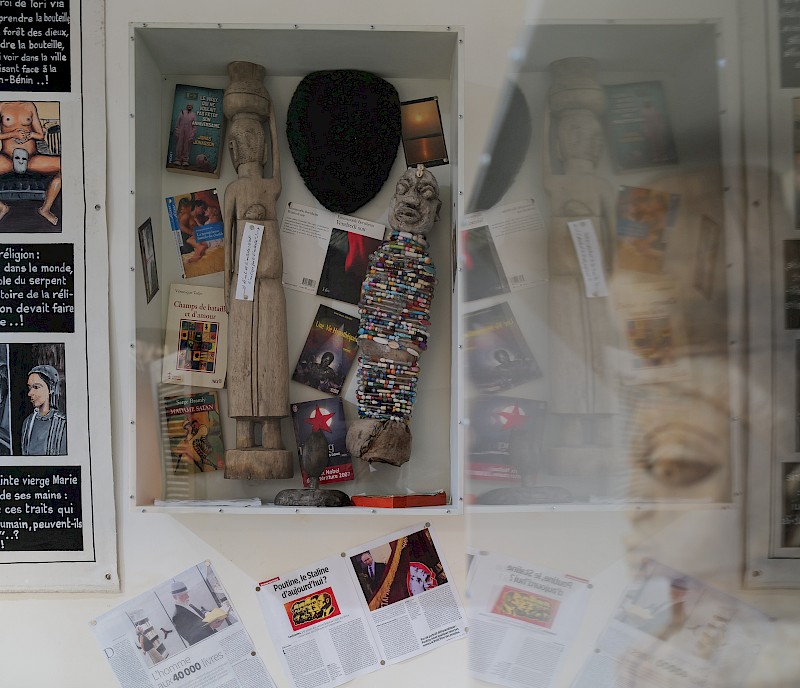
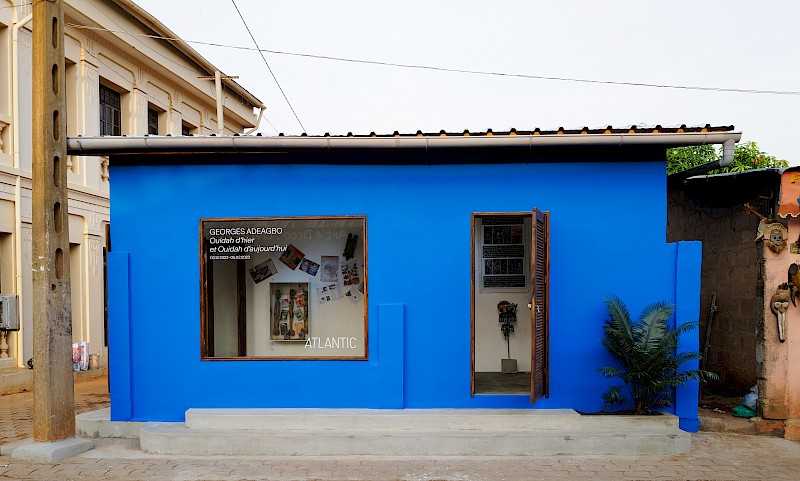
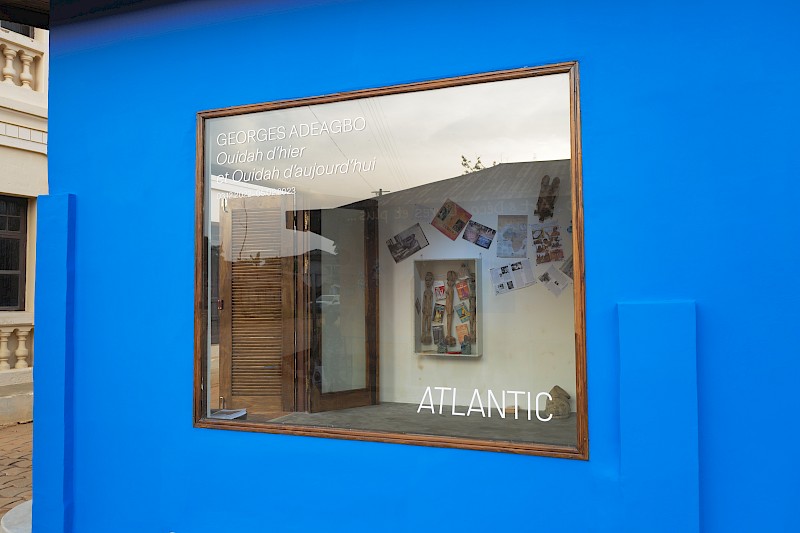
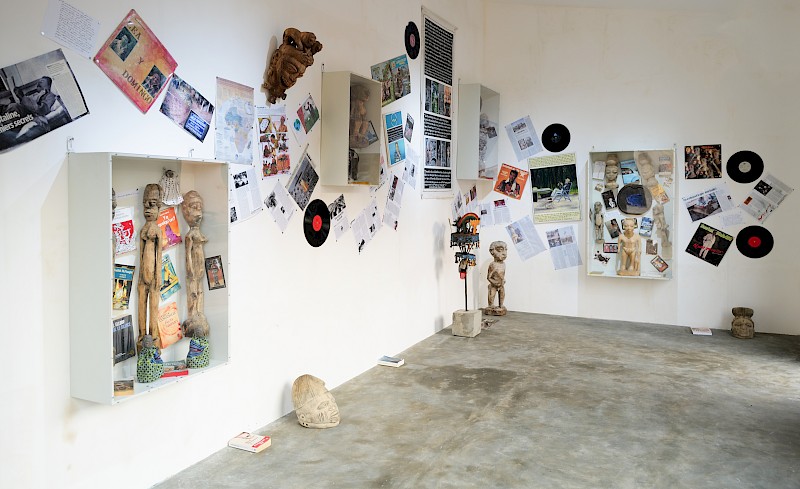
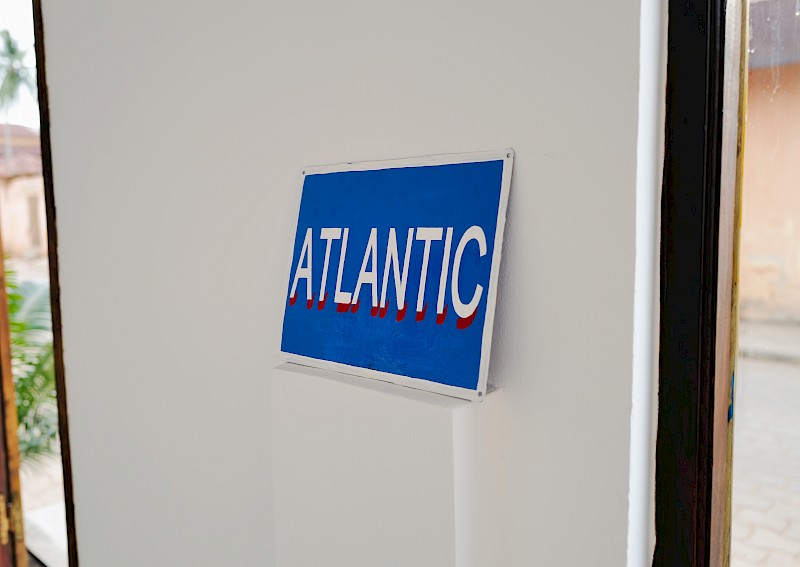
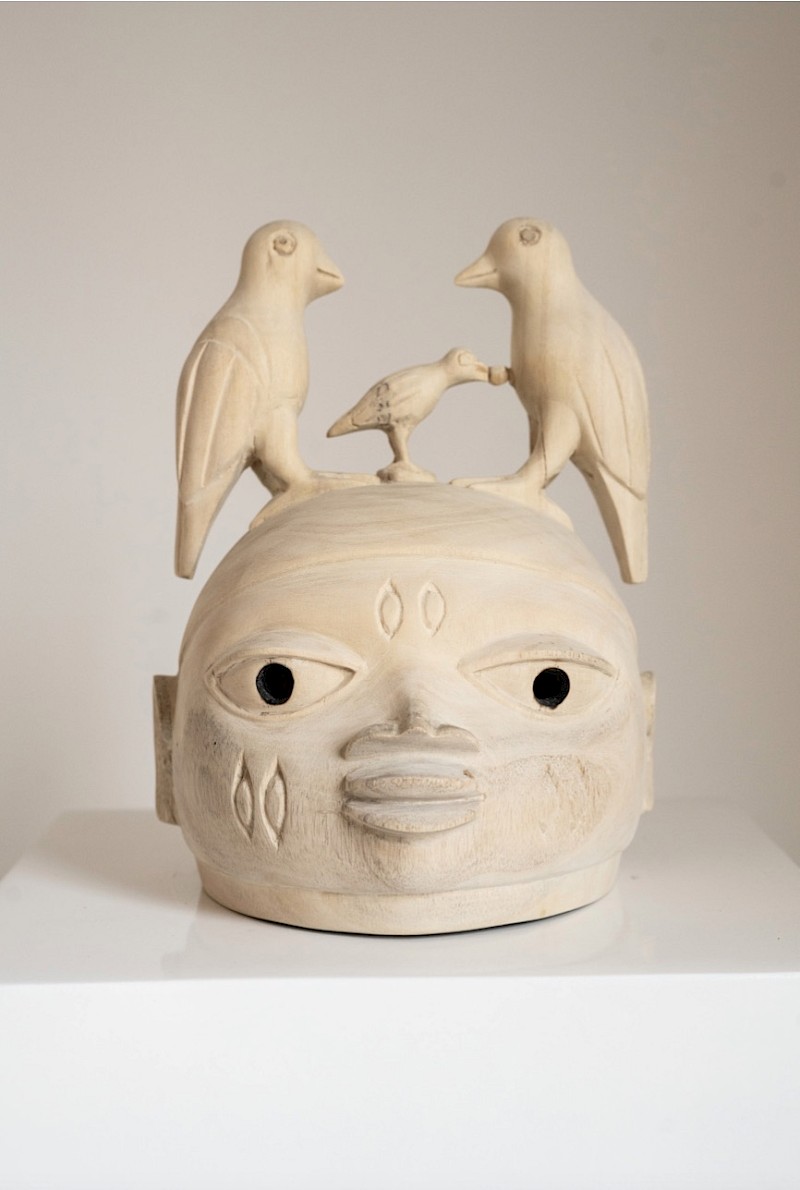
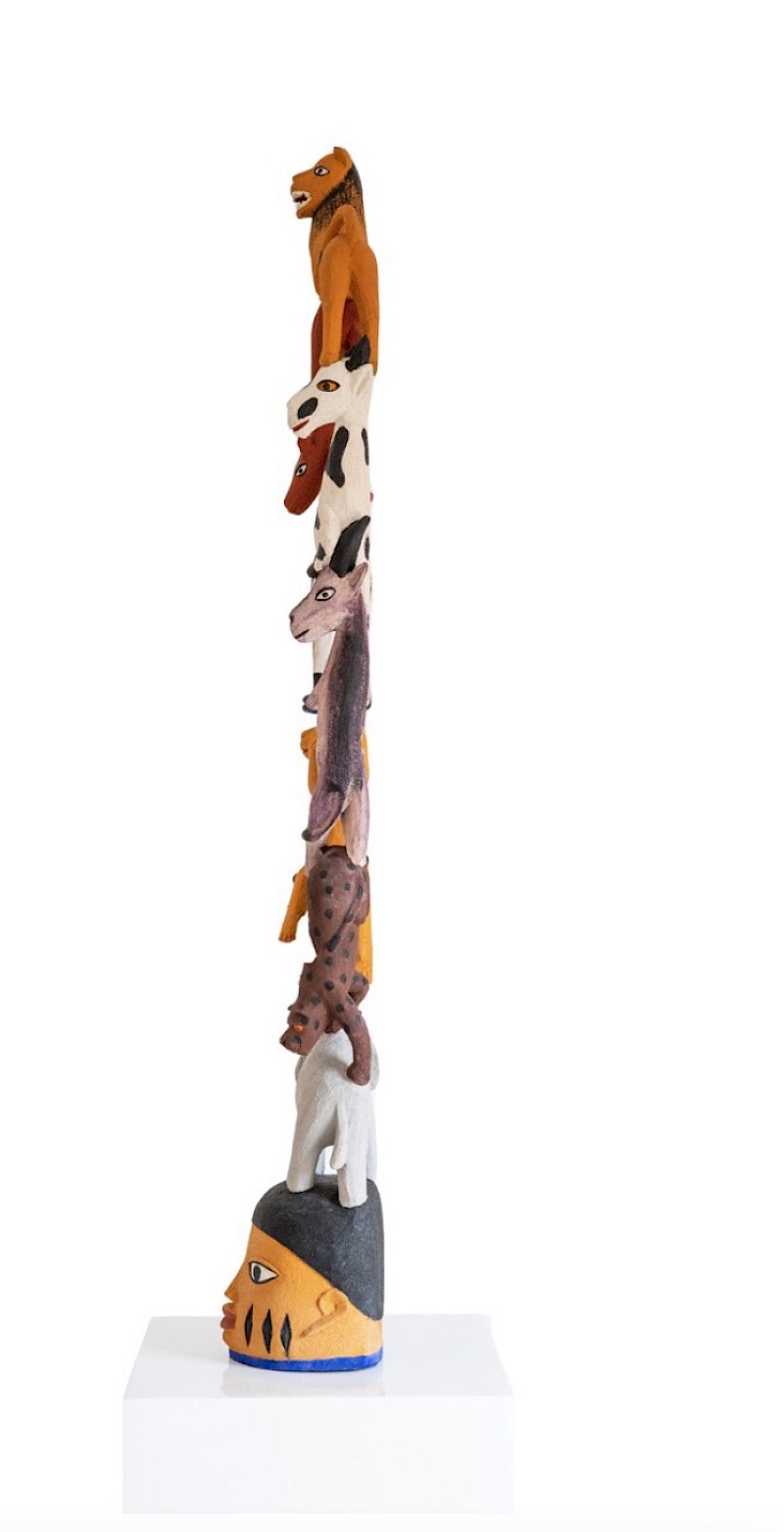
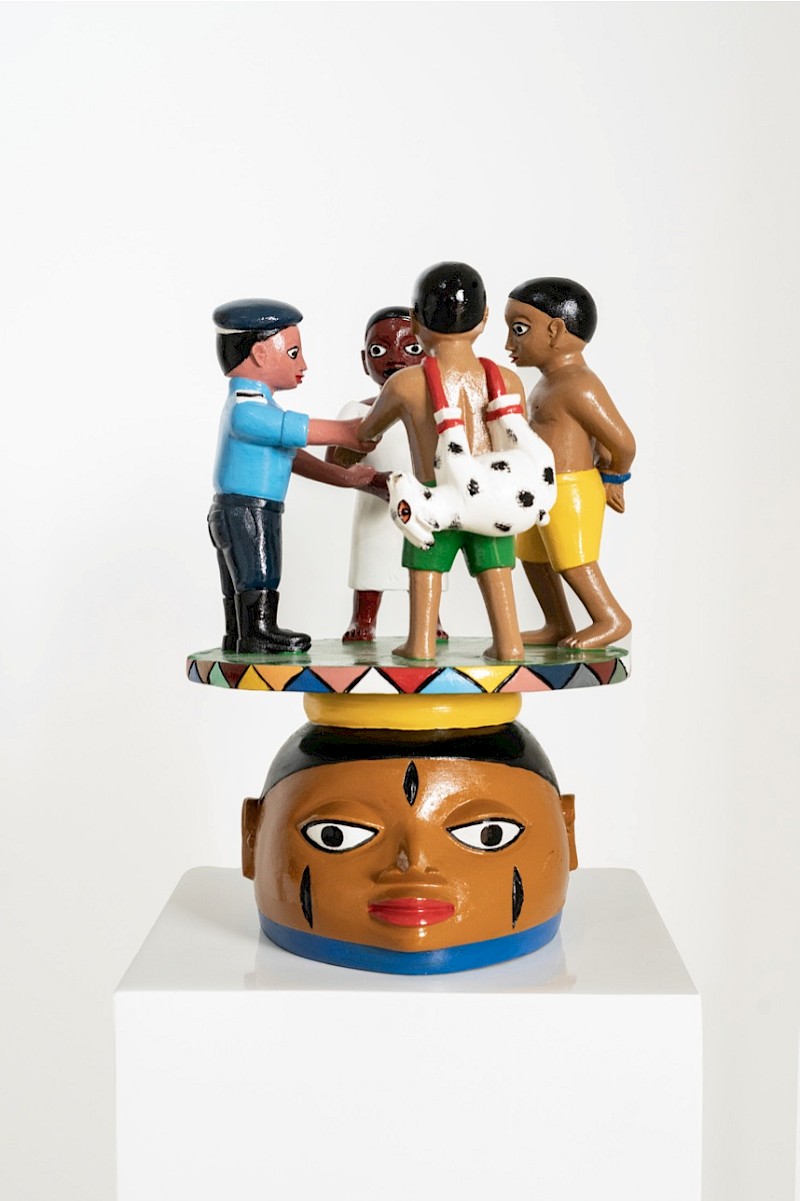
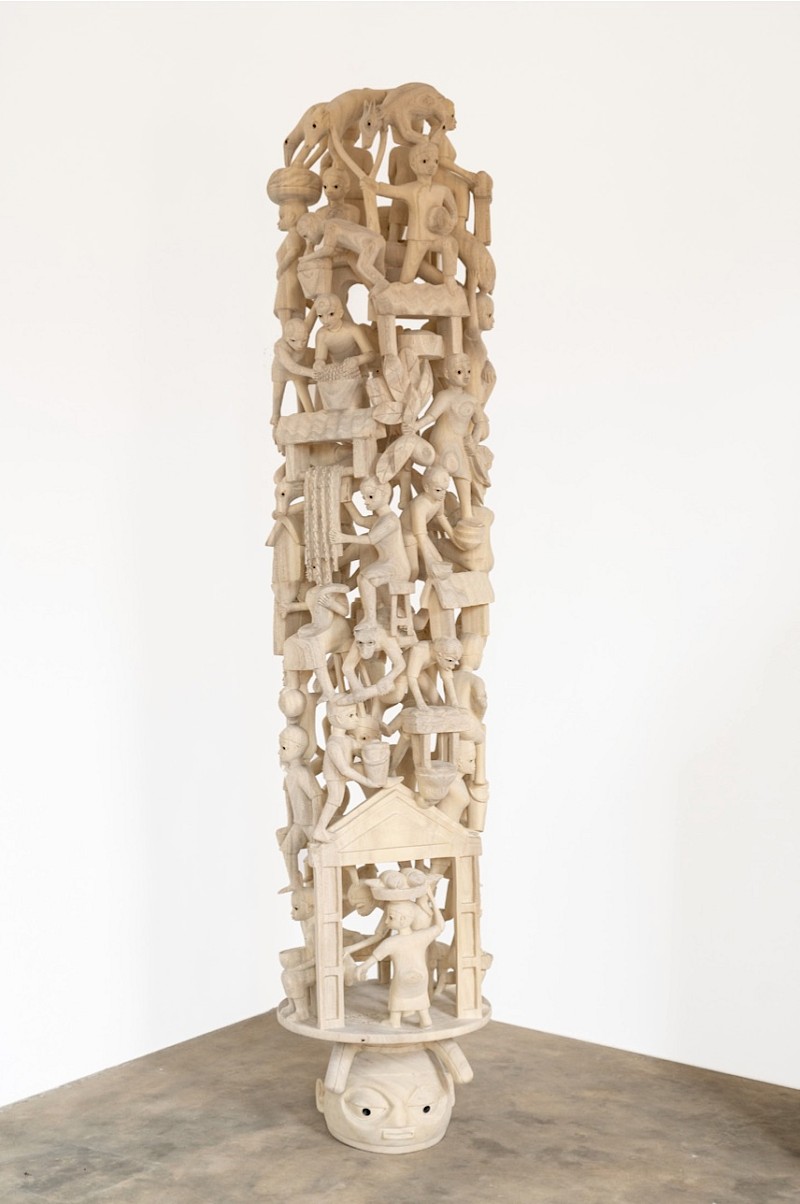
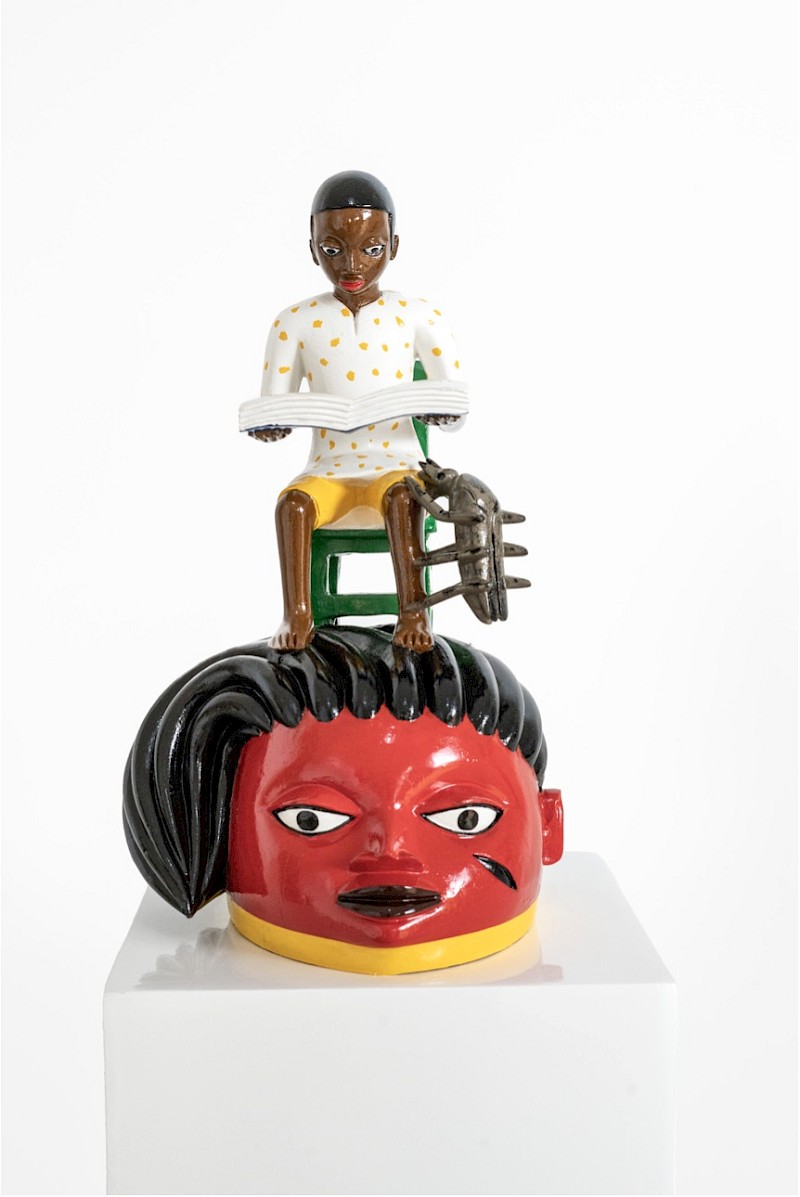
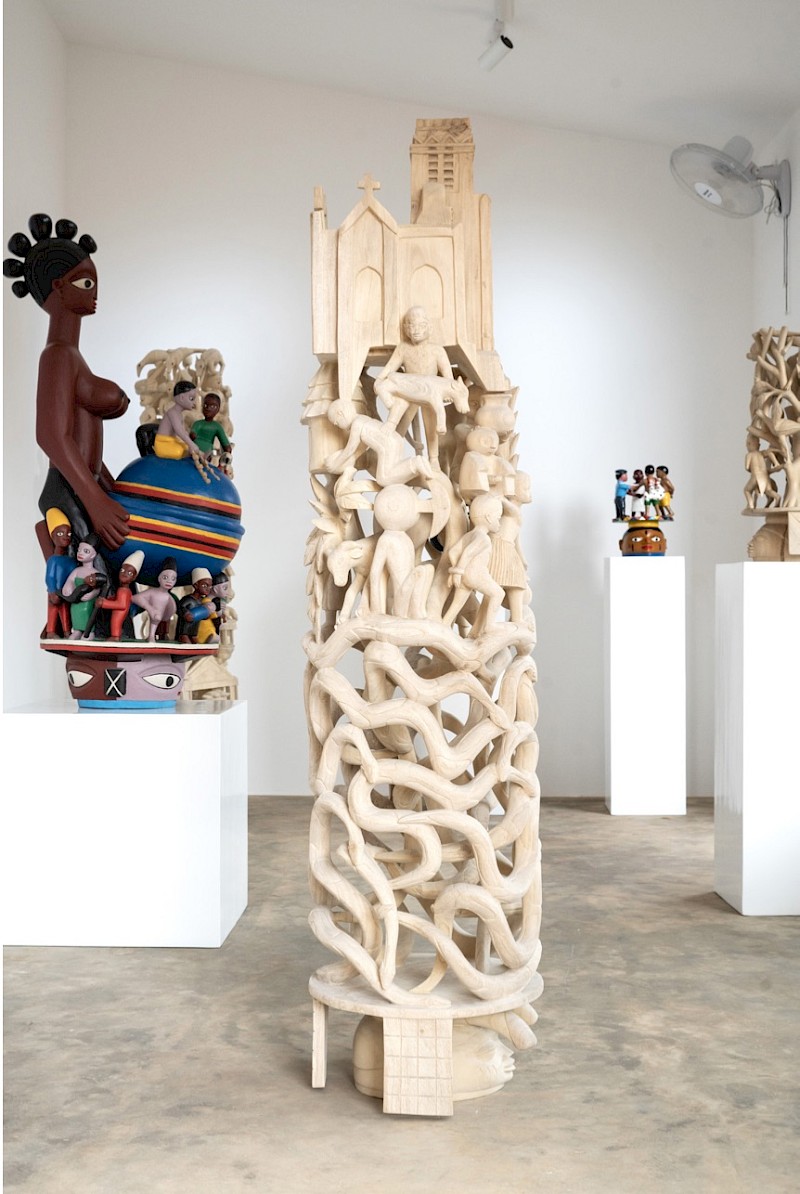
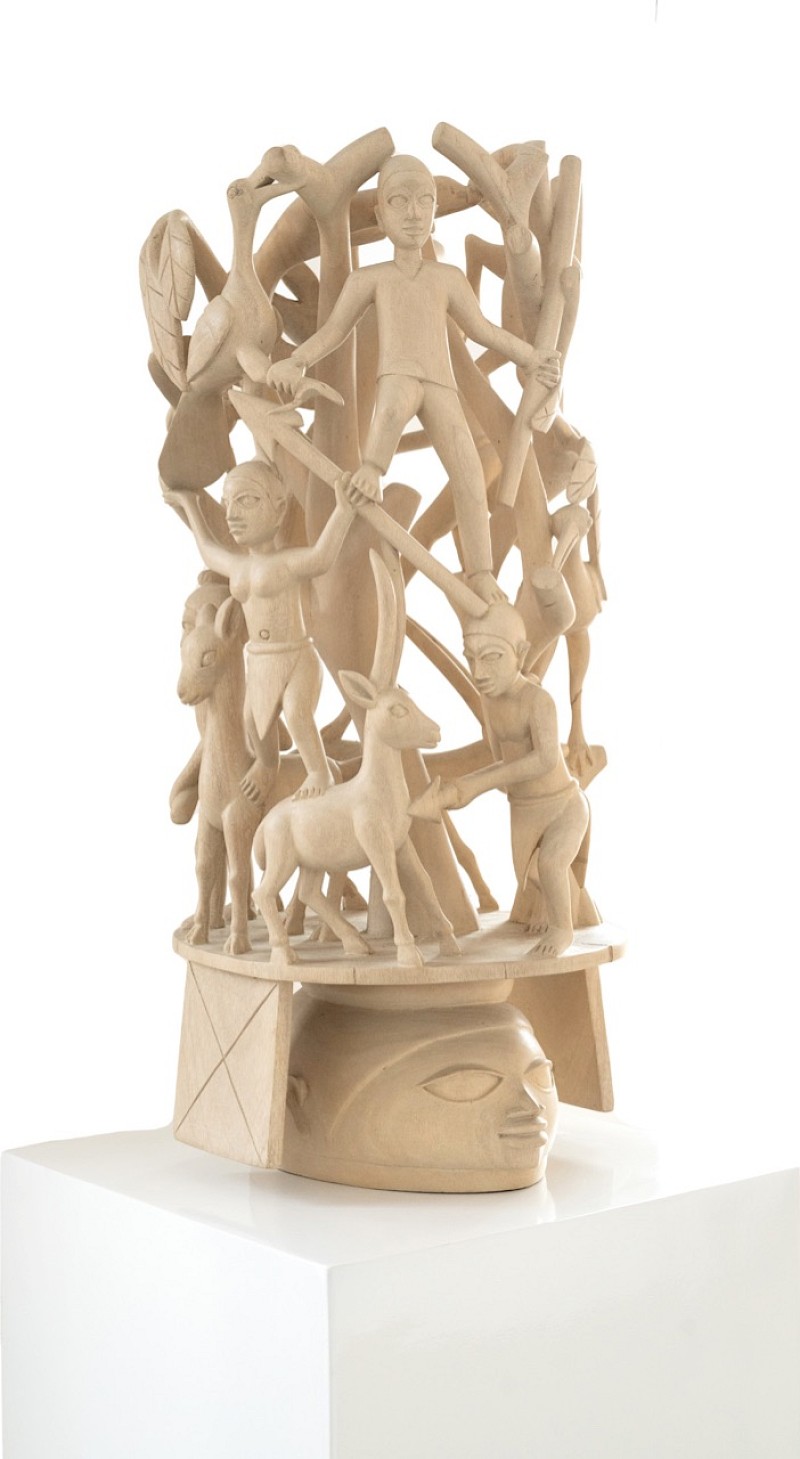
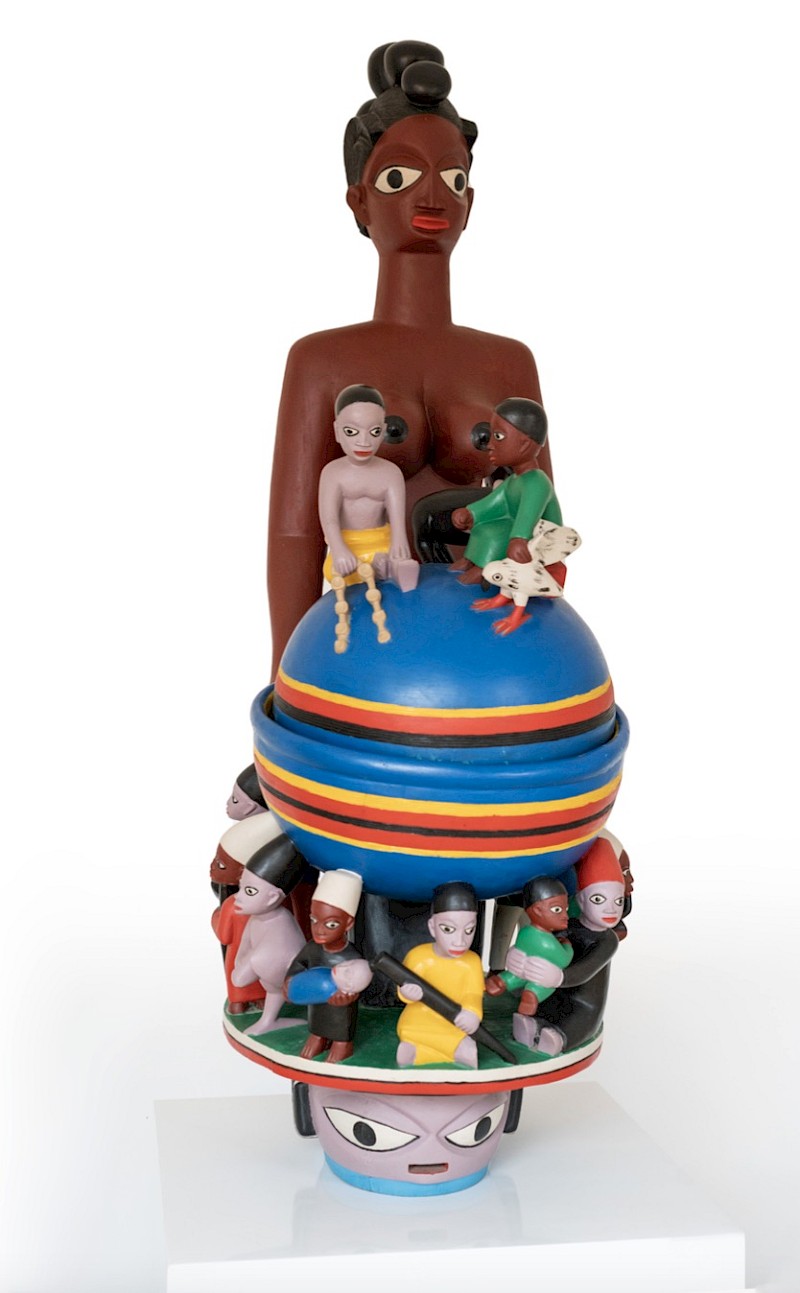
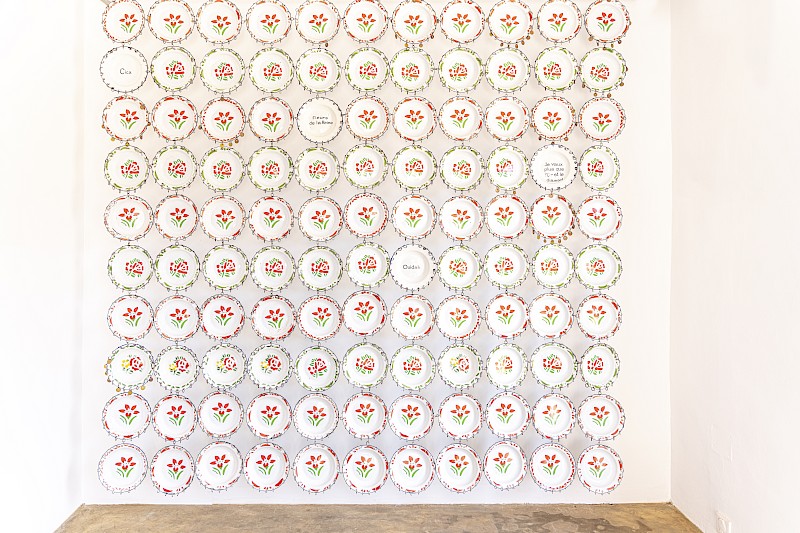
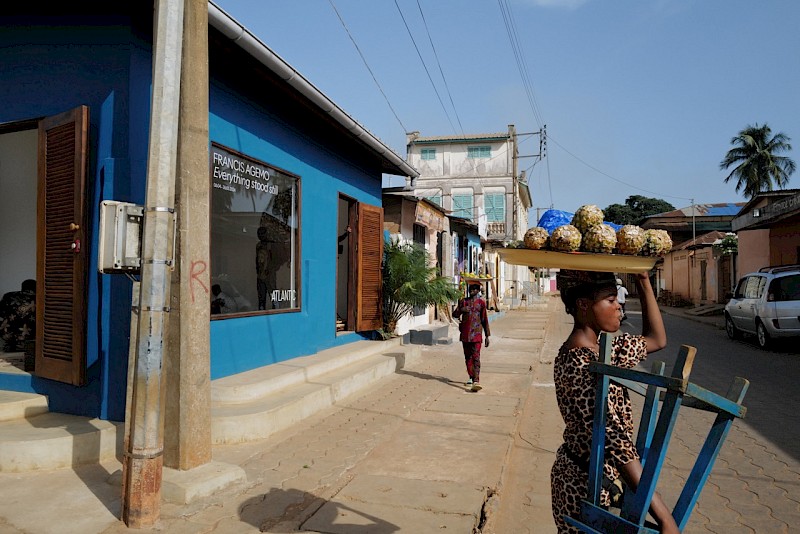
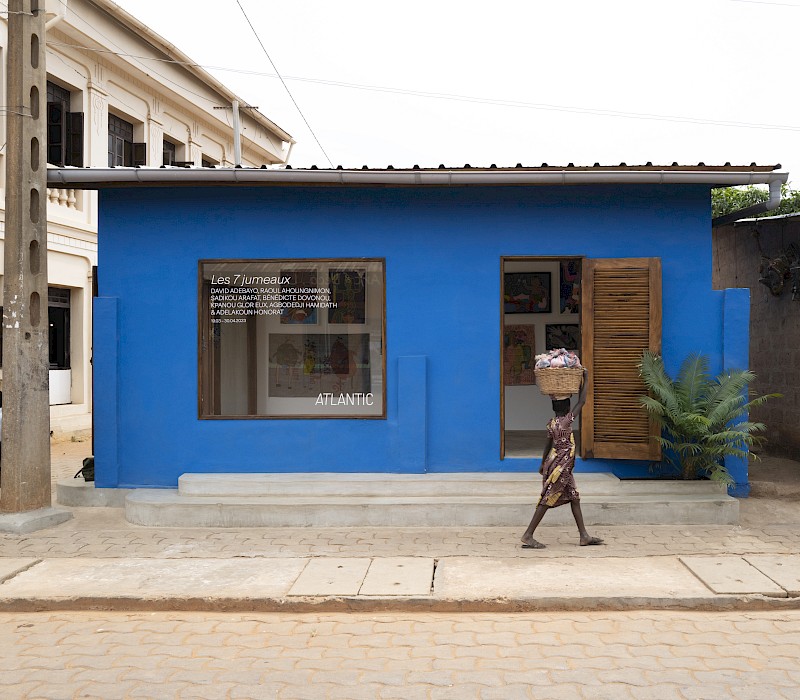
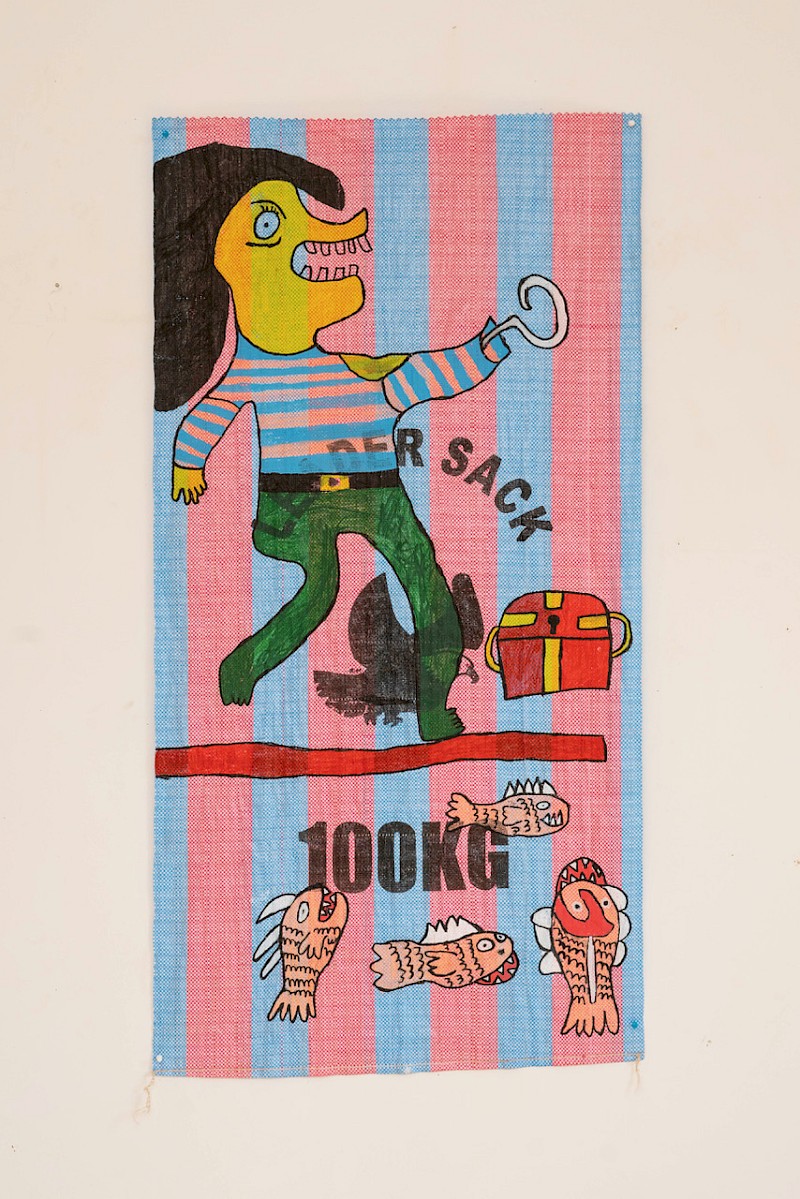
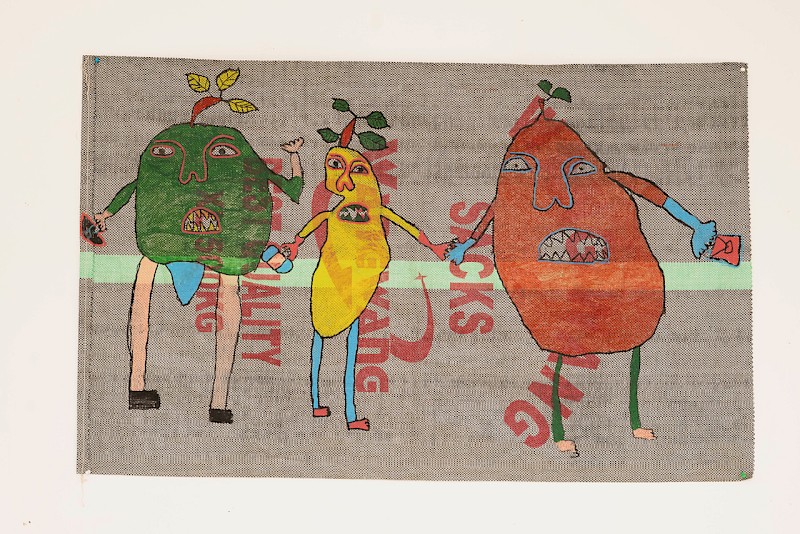
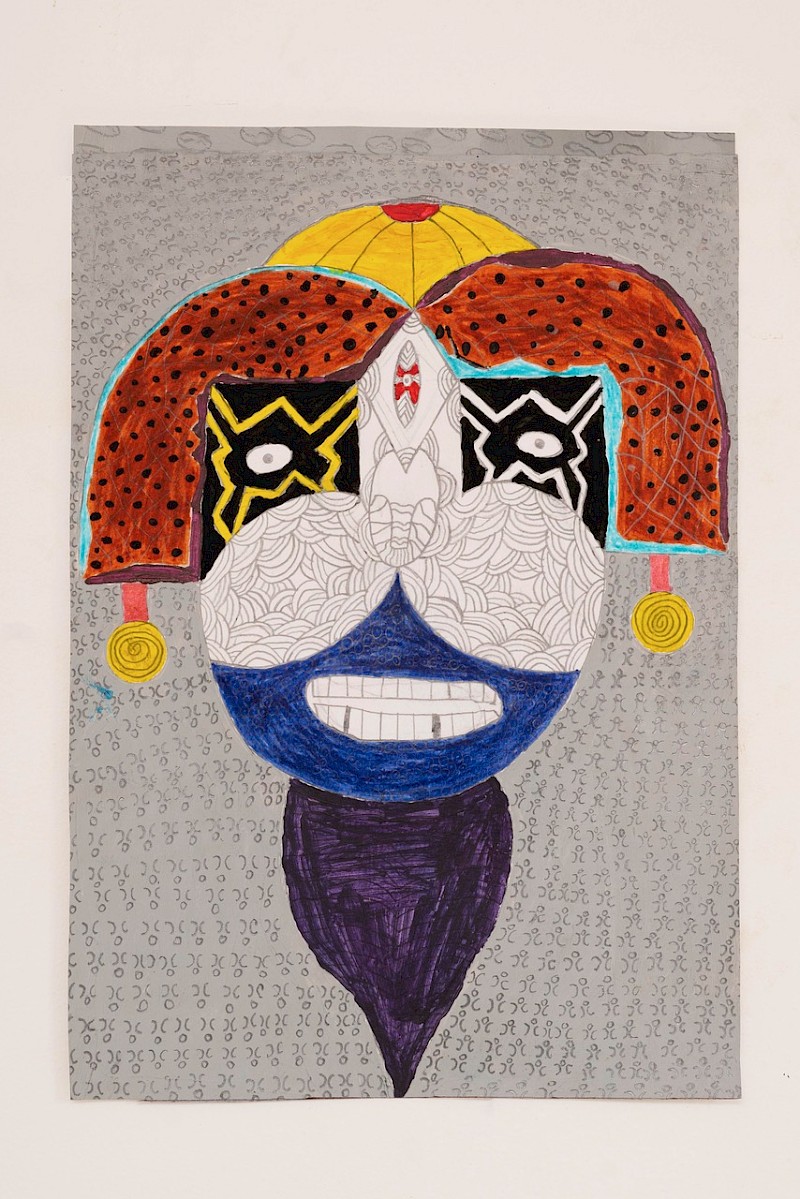
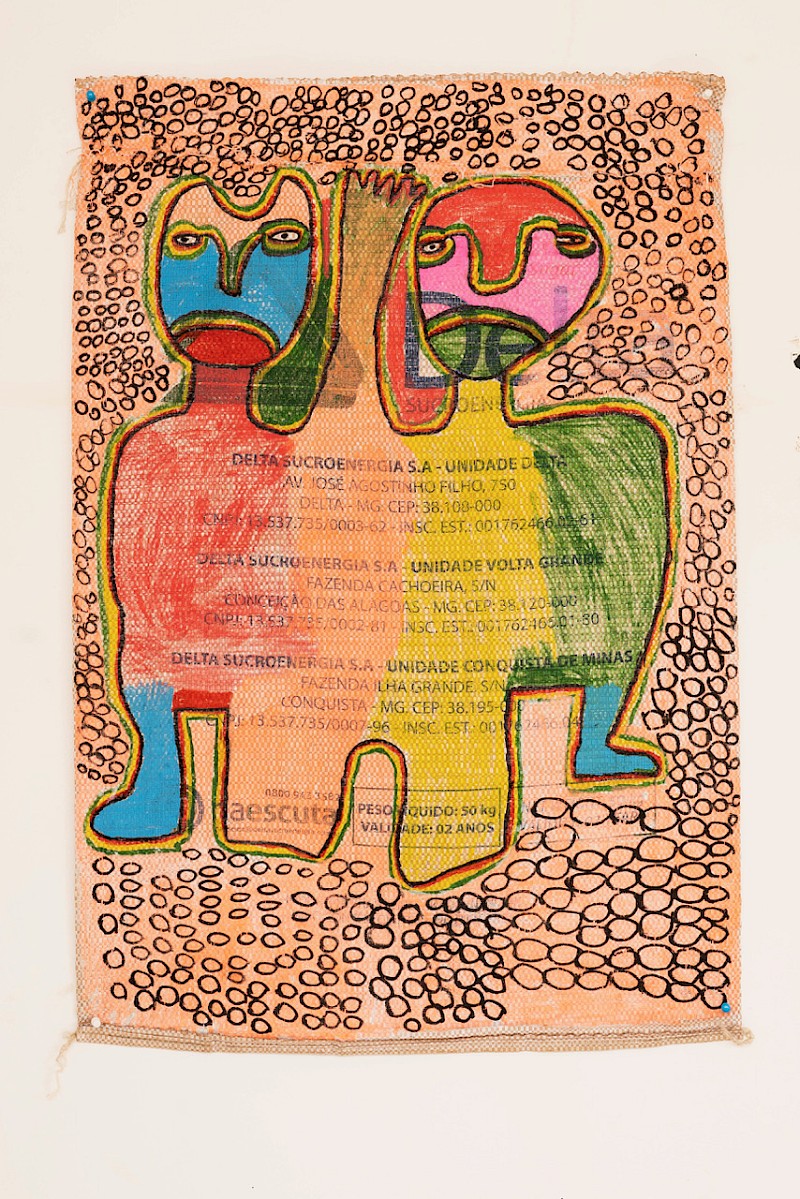
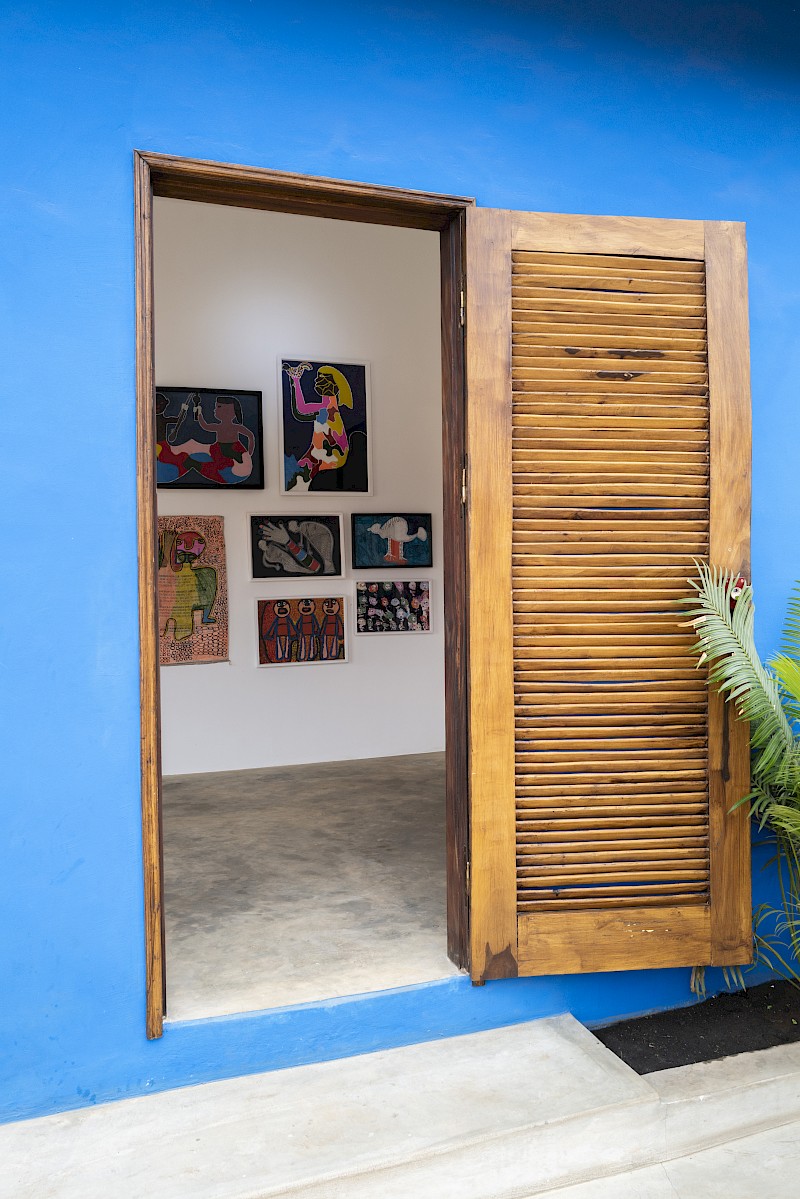
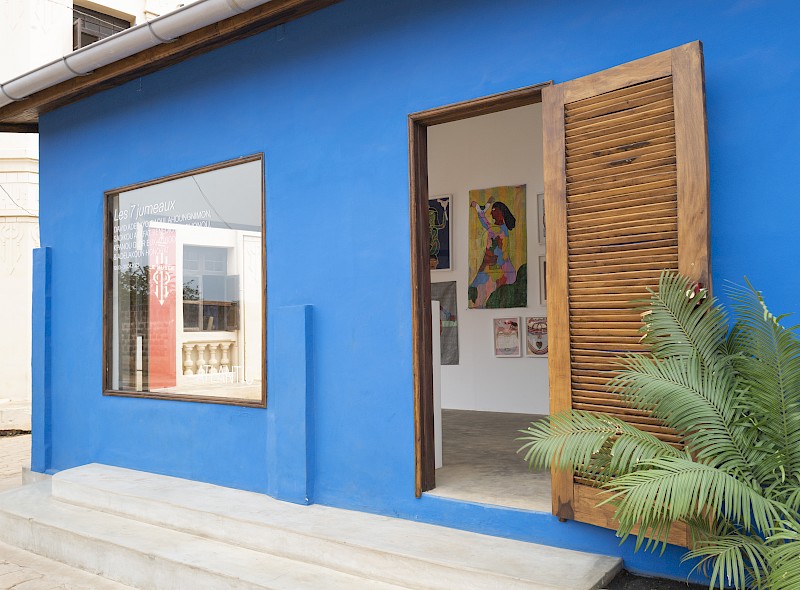
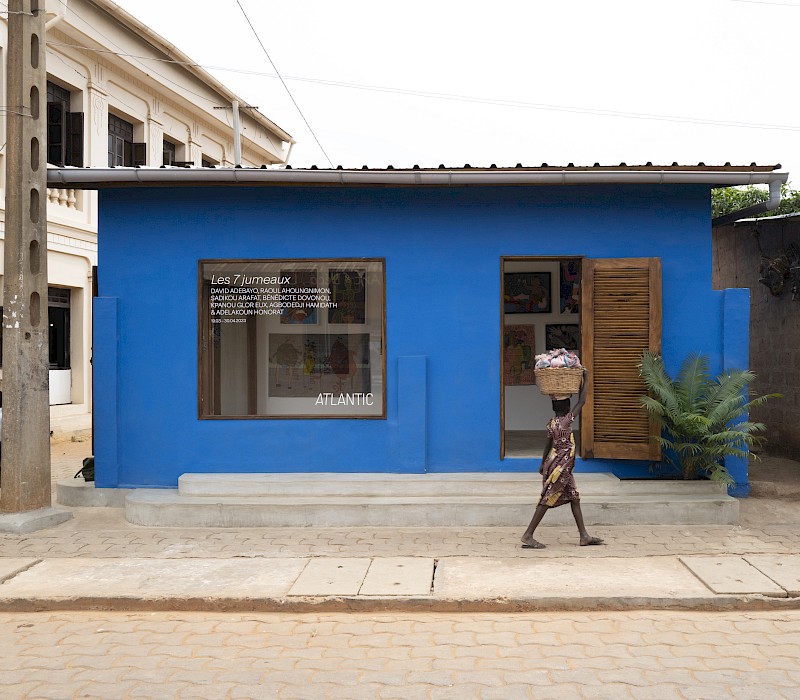
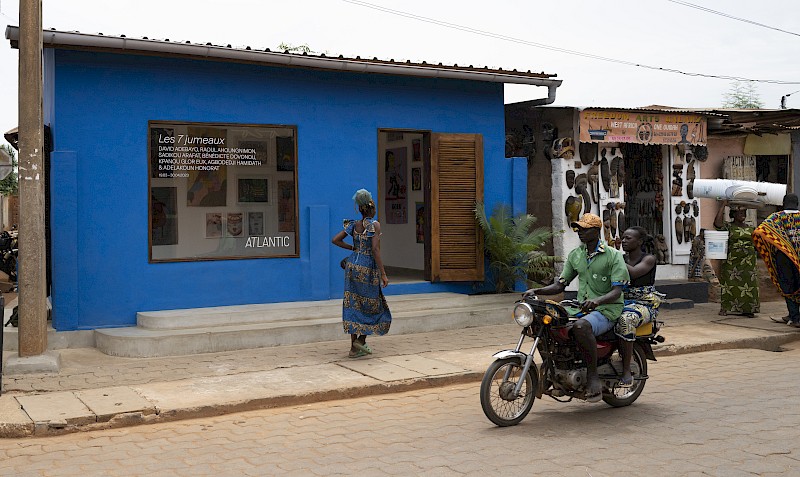
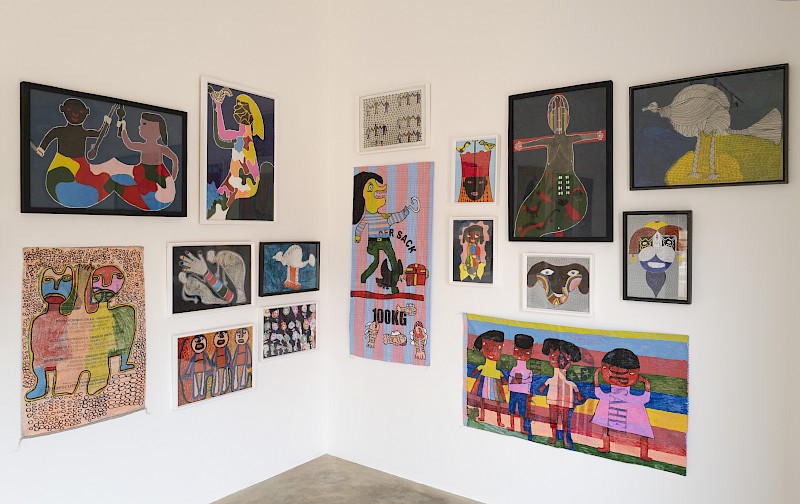
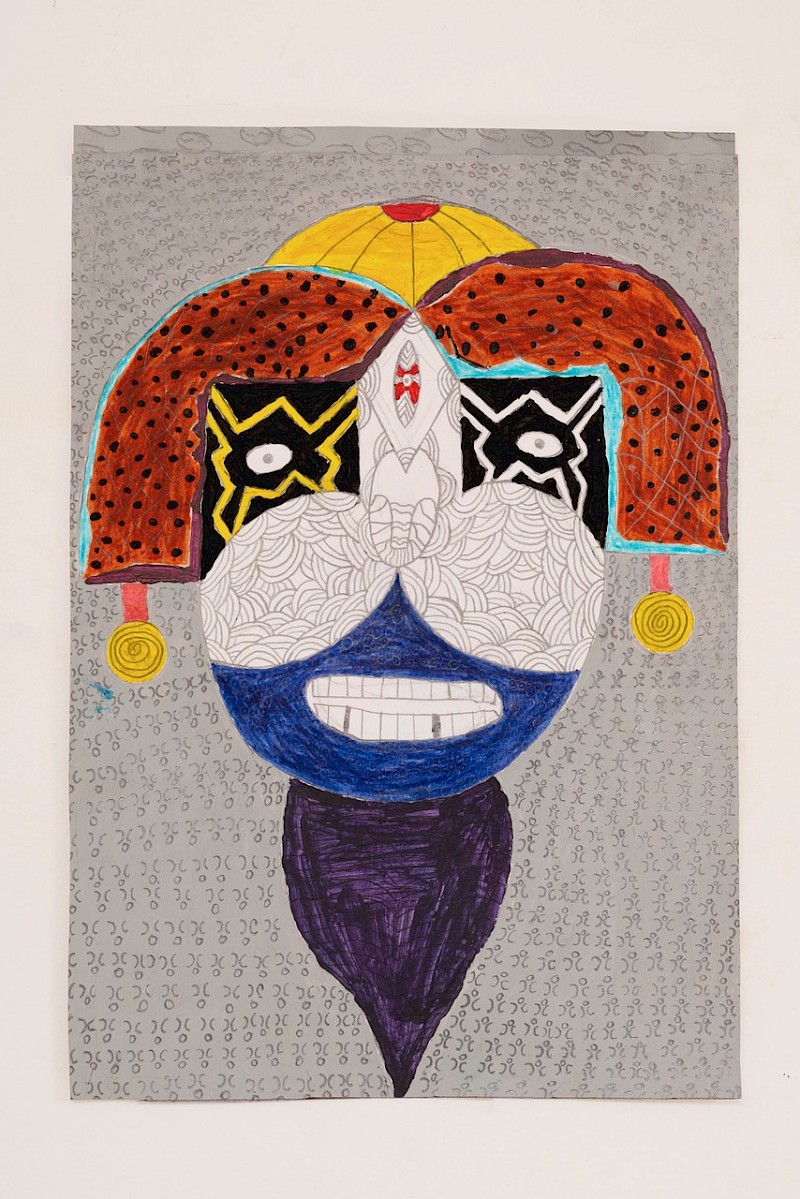
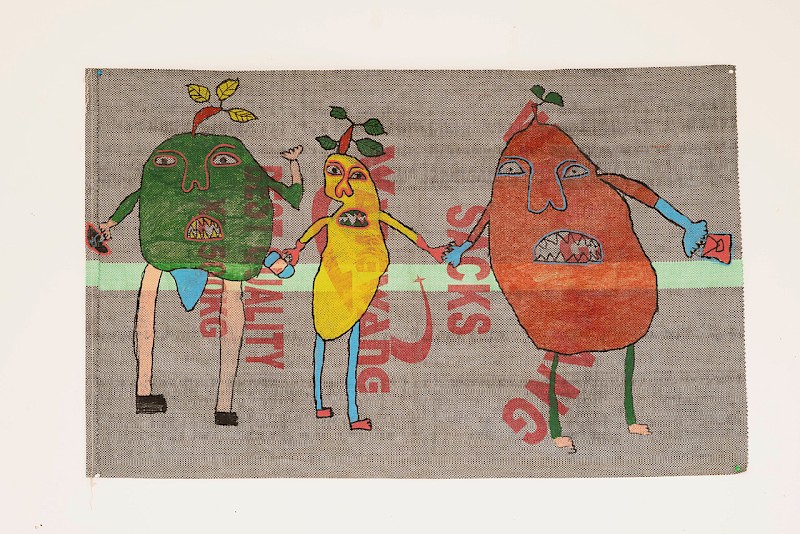
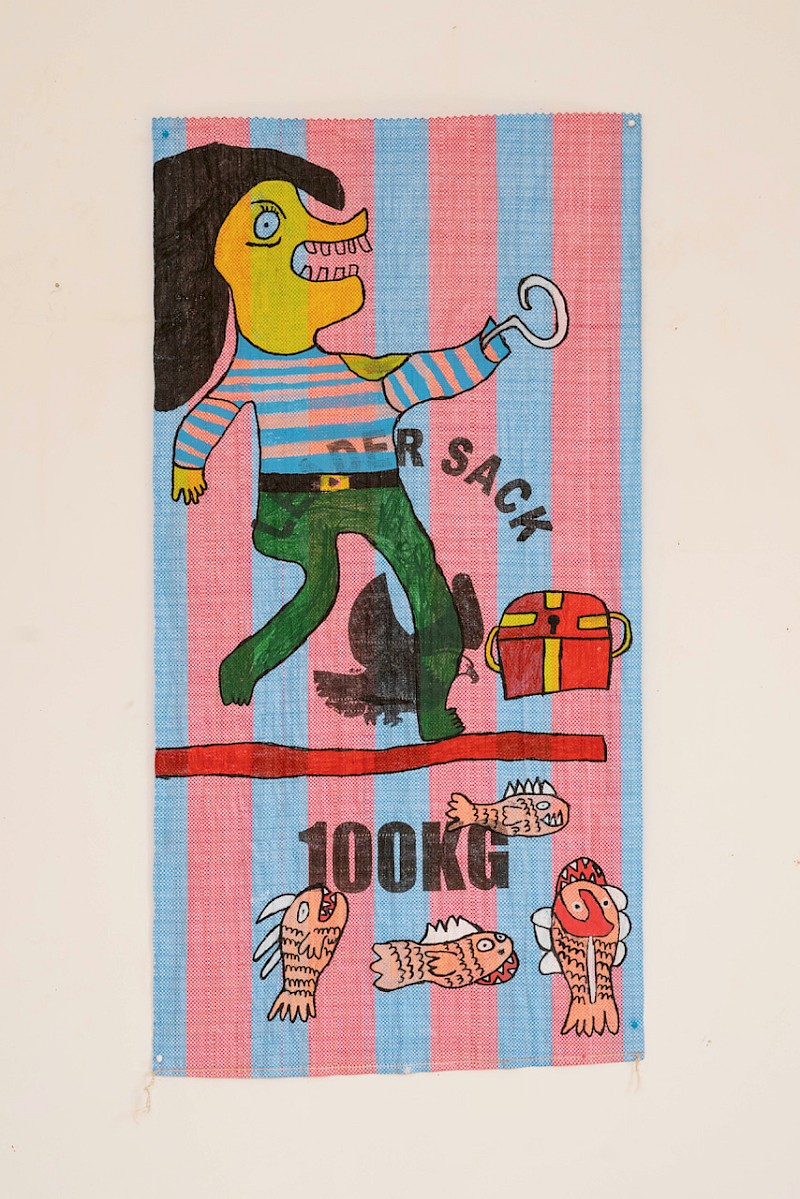
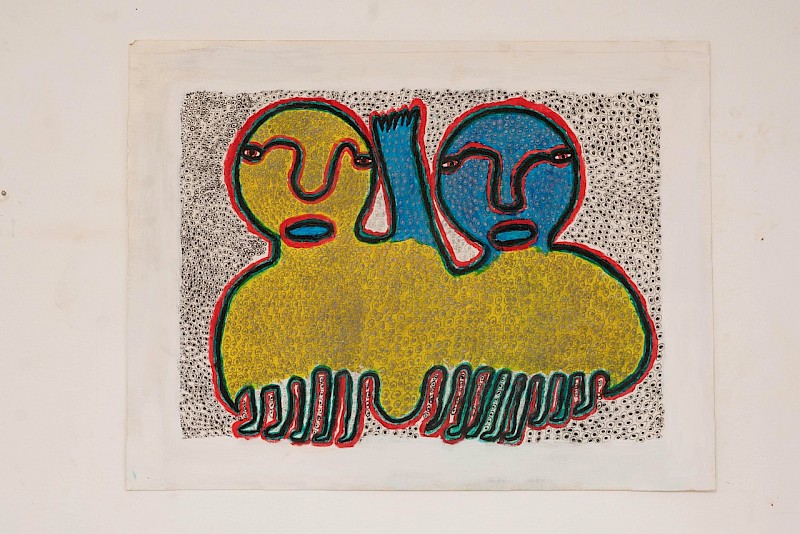
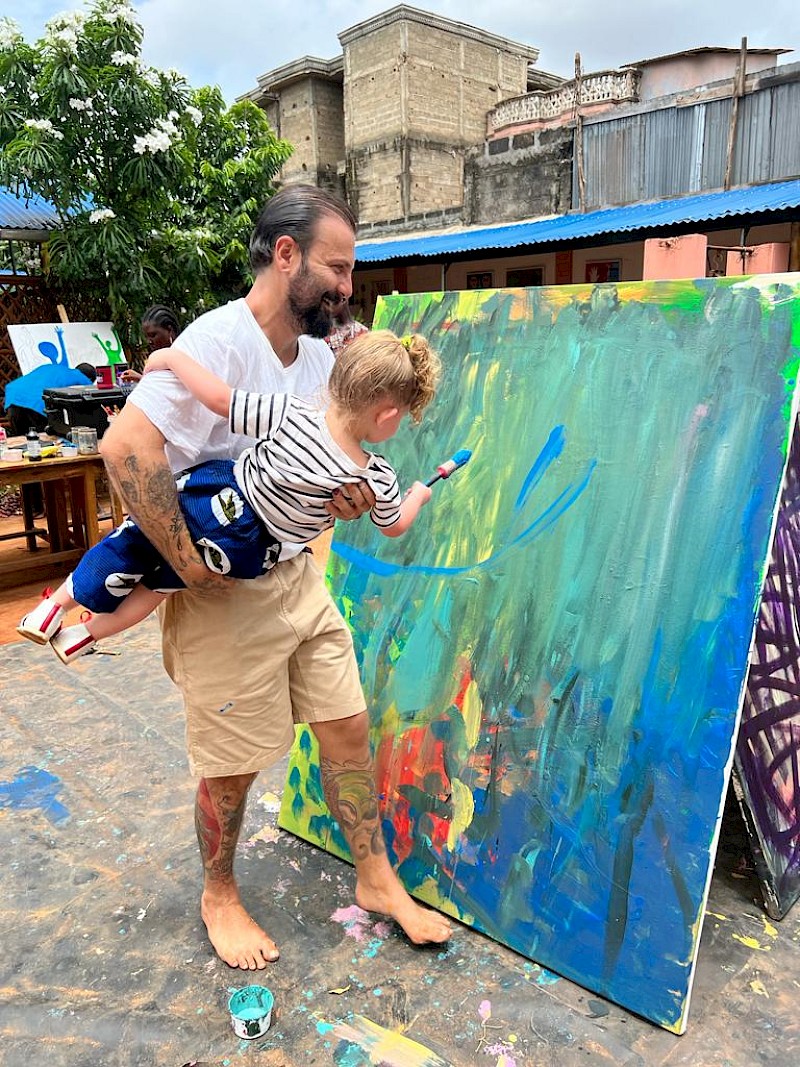
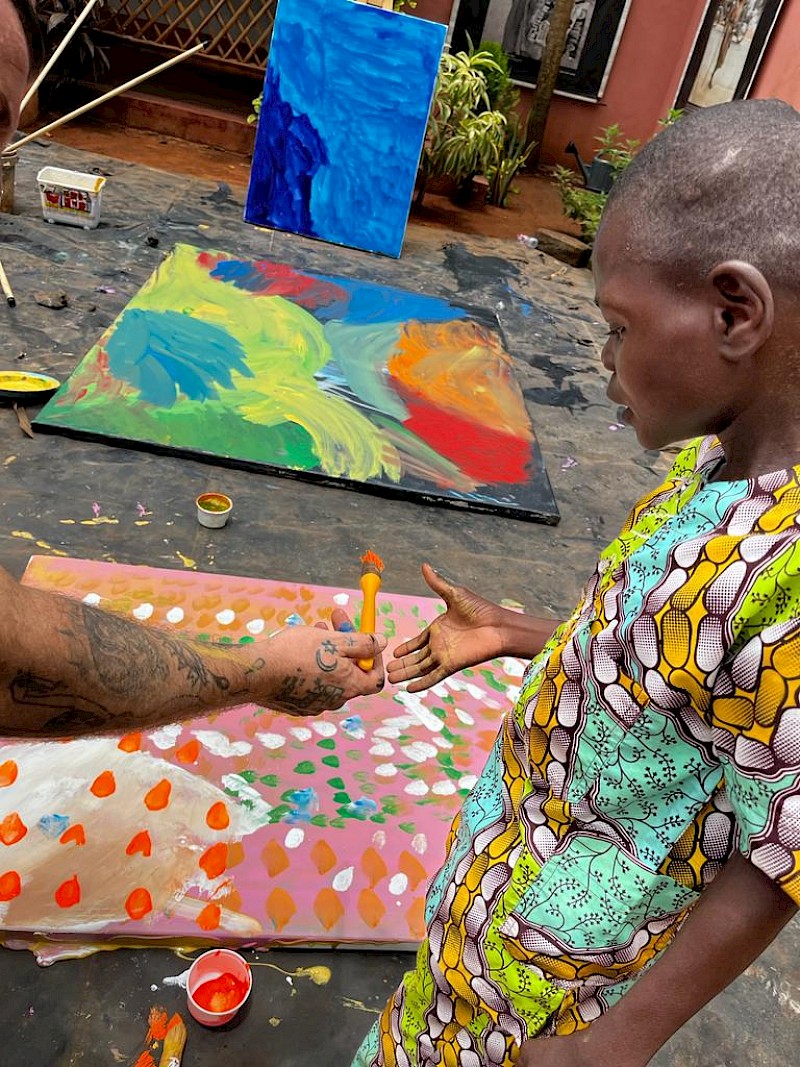
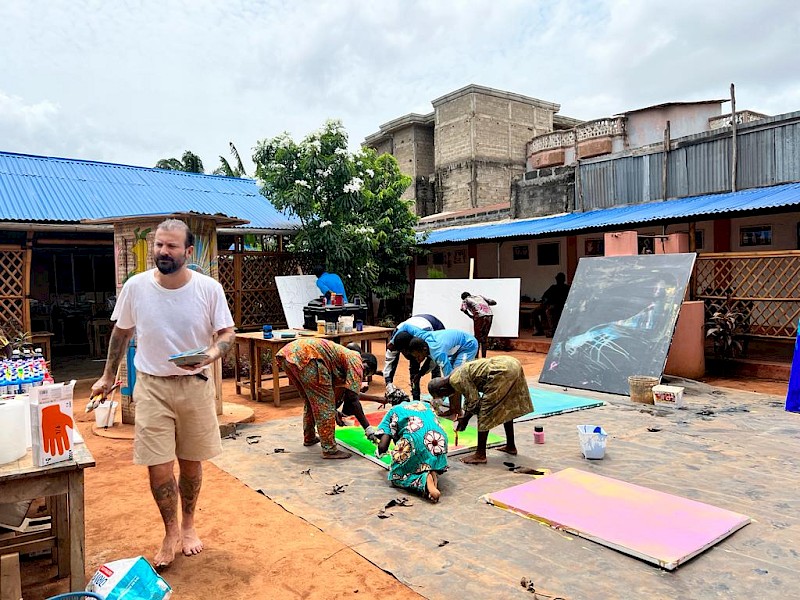
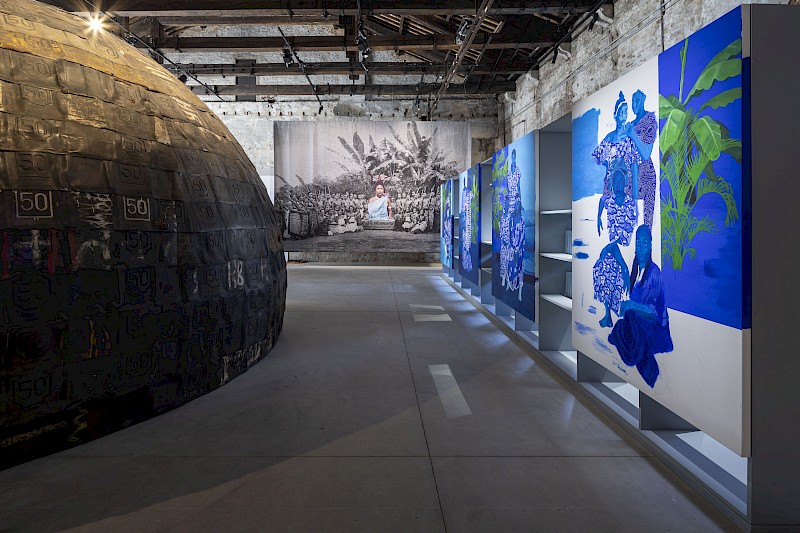
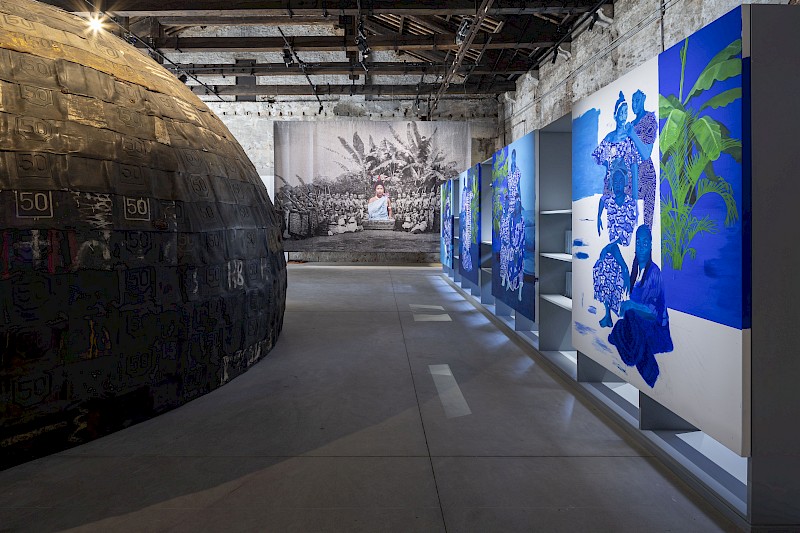
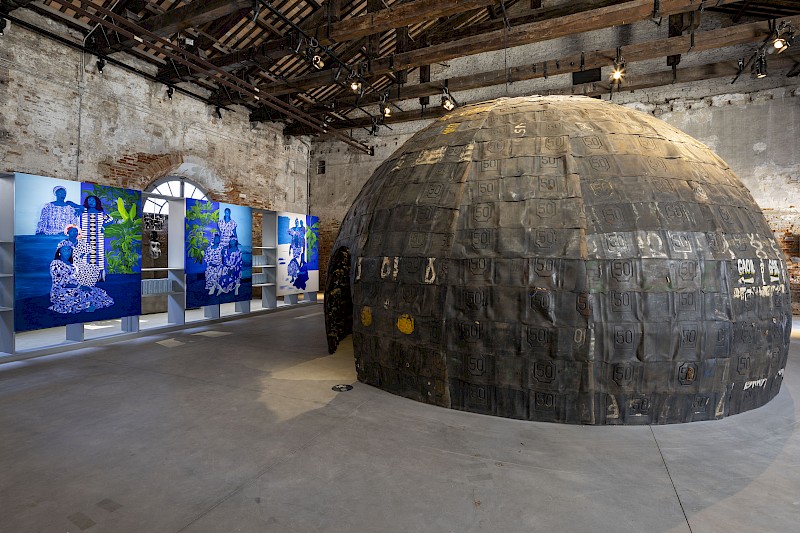
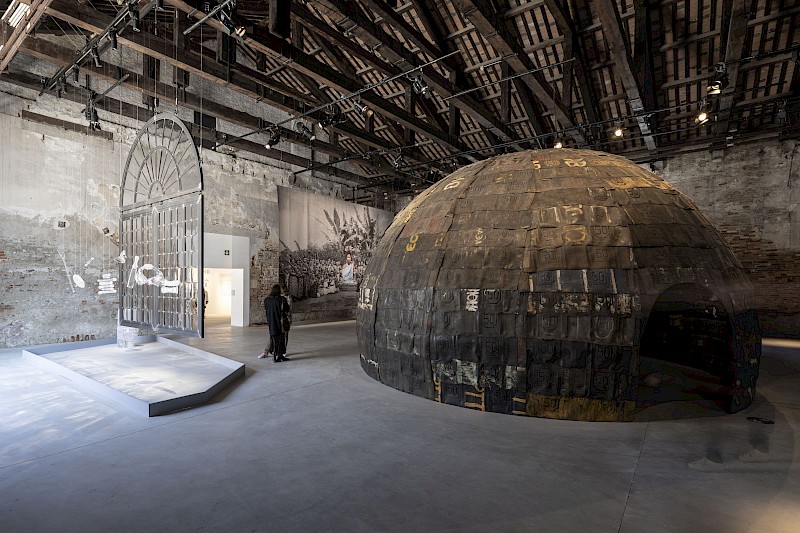
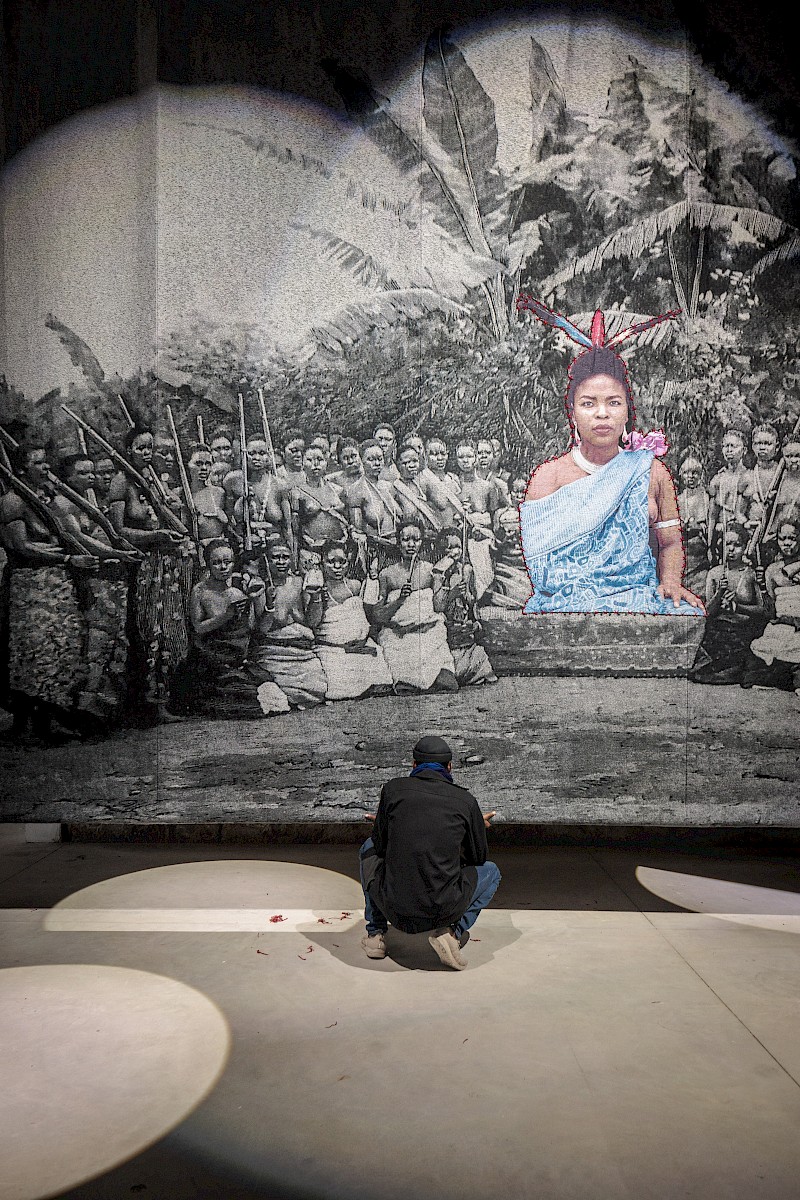
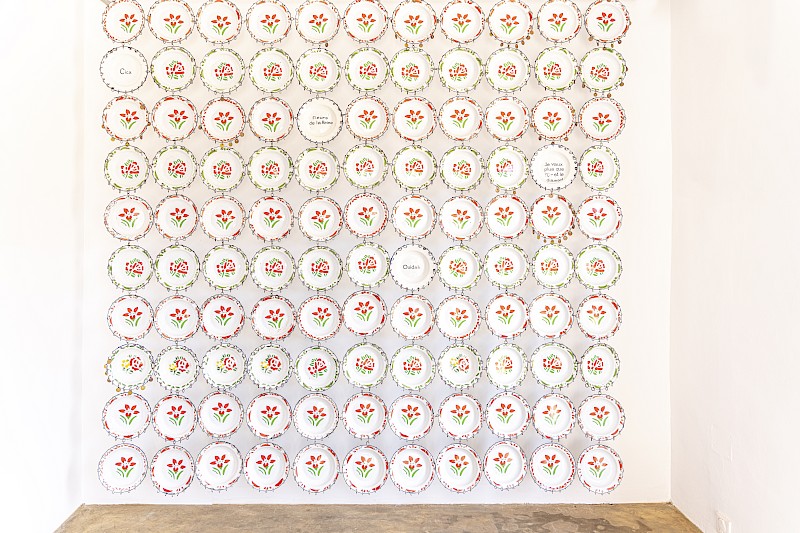
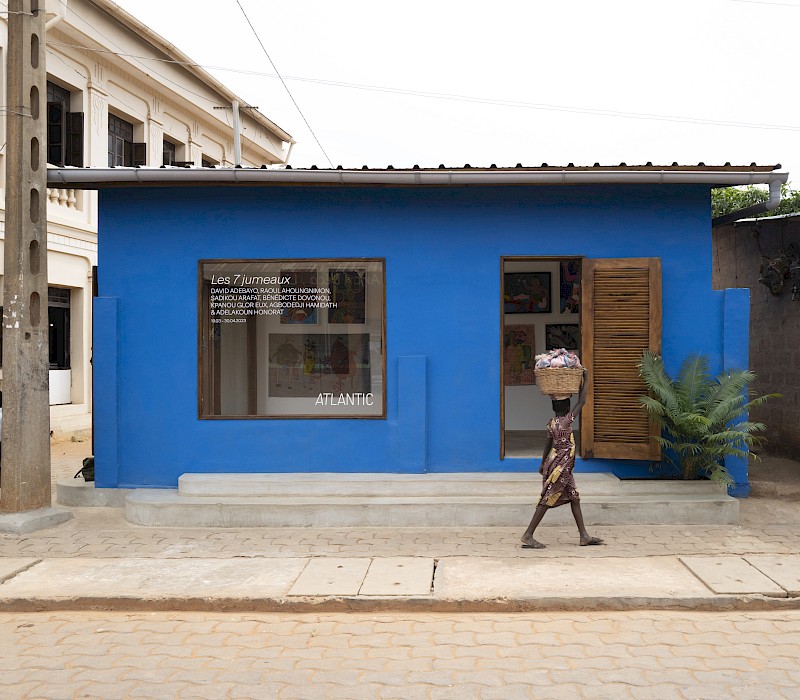
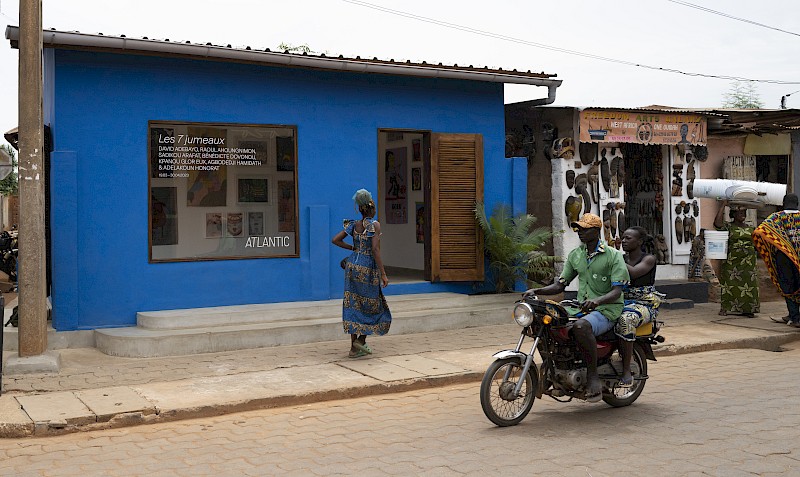
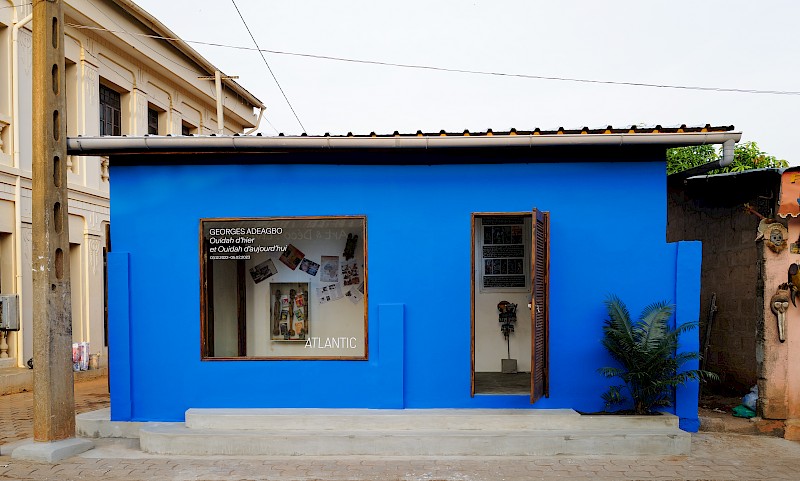
Georges Adéagbo is presenting a new and unique work specially produced for the opening of the Atlantic art space in Ouidah, in collaboration with Stephan Köhler, Kulturforum Süd-Nord. Adéagbo used to live in Ouidah, a city where his family has been established for several generations. Ouidah d’hier et Ouidah d’aujourd’hui is therefore a major installation in his career: for the first time, he is digging deep into his intimacy with the exceptional city.
Georges Adéagbo shares his knowledge of the history and legends of Ouidah, while recalling his own memories. A meeting place between the dead and the living, Ouidah is a city where the past continually exerts its influence over the present, where time studies our actions. To each person seeking answers to the questions posed by time, Georges Adéagbo’s installation offers sources and echoes, present contingencies as well as lessons to be learned from the past, a forest of clues from which we can eventually emerge with a finer knowledge of the world and of ourselves.
Ouidah d’hier et Ouidah d’aujourd’hui, 2022
«Men and things, both intertwined, make history.» Arlette Farge, Le peuple et les choses, 2015
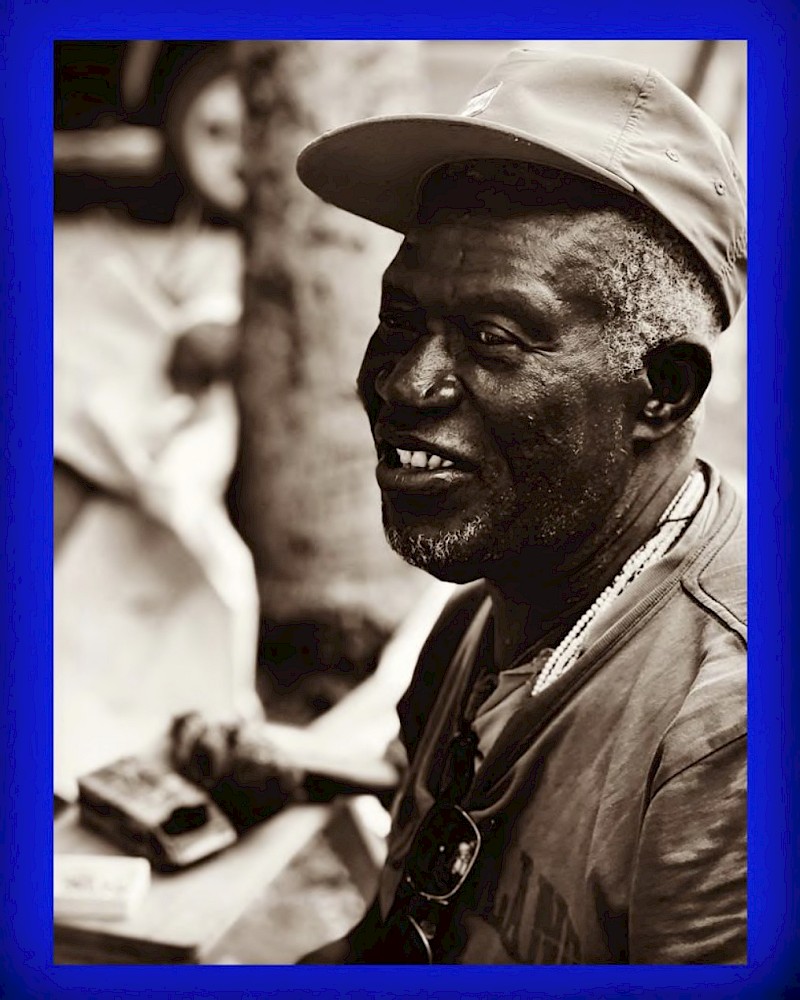
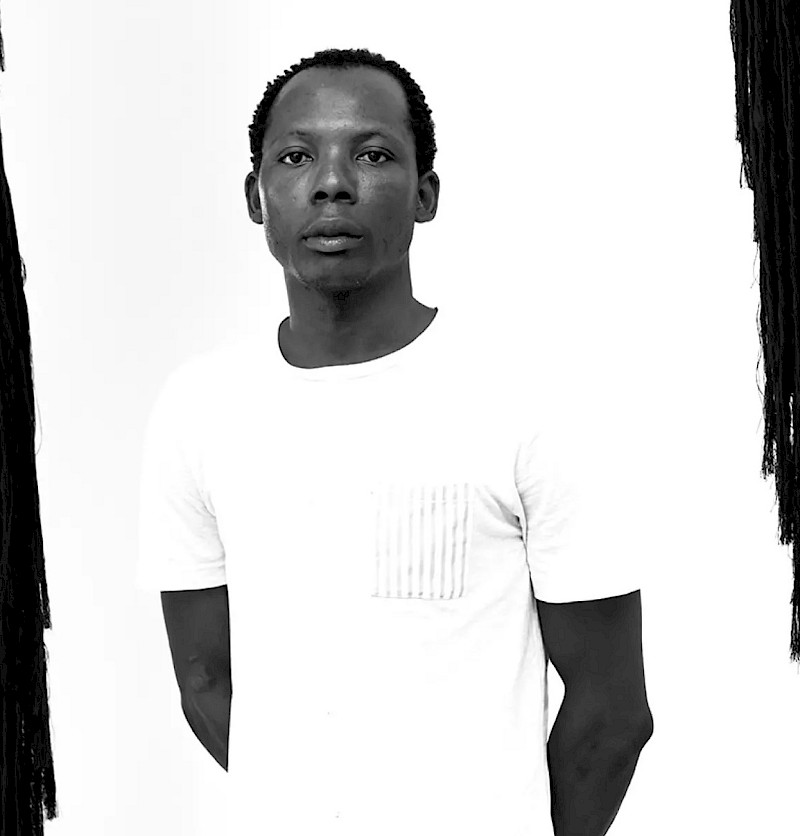
Georges Adéagbo is an artist, philosopher, and storyteller. At 80 years old, he moves from continent to continent to present his installations, always elaborated specifically for the exhibition space and the country hosting them. Georges Adéagbo began gathering objects and writings and arranging them to create installations in 1971, in Cotonou. His collections of forgotten or abandoned objects began during solitary walks in the streets of Cotonou and on the beach, after which he created small installations in the courtyard of the family plot. His work remained confidential until 1993, when Jean-Michel Rousset, the assistant to the exhibition curator André Magnin, came to visit him by chance. Six years later, in 1999, Georges Adéagbo was the first African artist to be awarded a jury prize at the Venice Biennale for his installation Venise d’hier, Venise d’aujourd’hui..! L’histoire du lion at the Campo dell’Arsenale. This event also marks his first collaboration with Stephan Köhler, who became the coordinator on all his exhibitions.
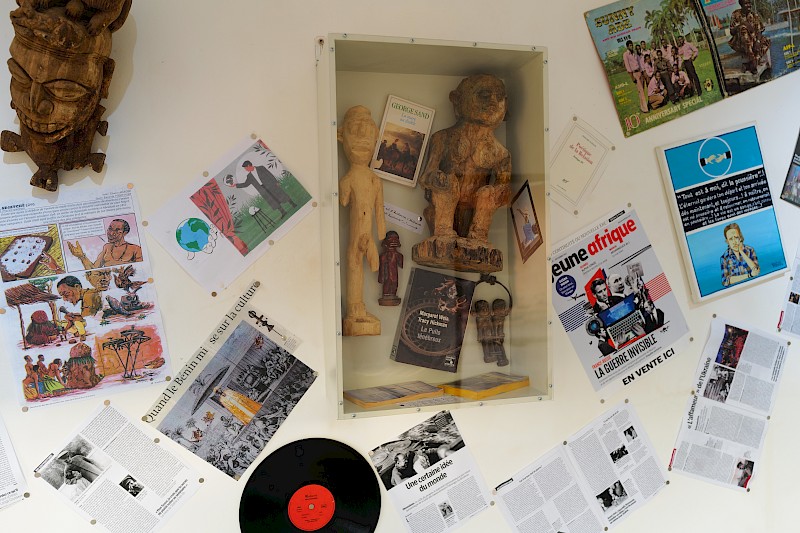
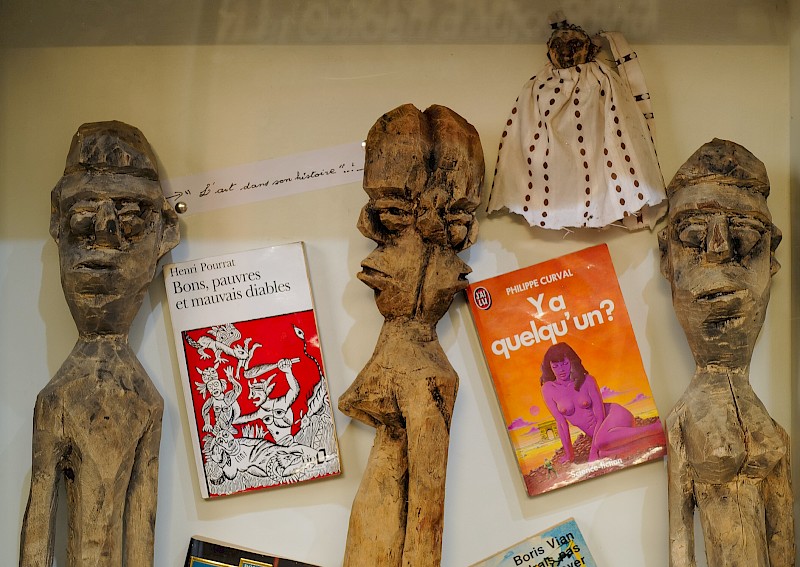
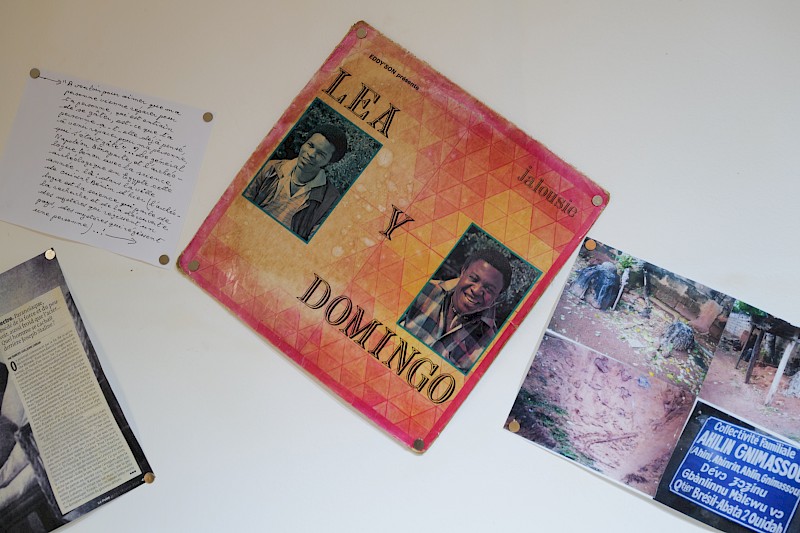
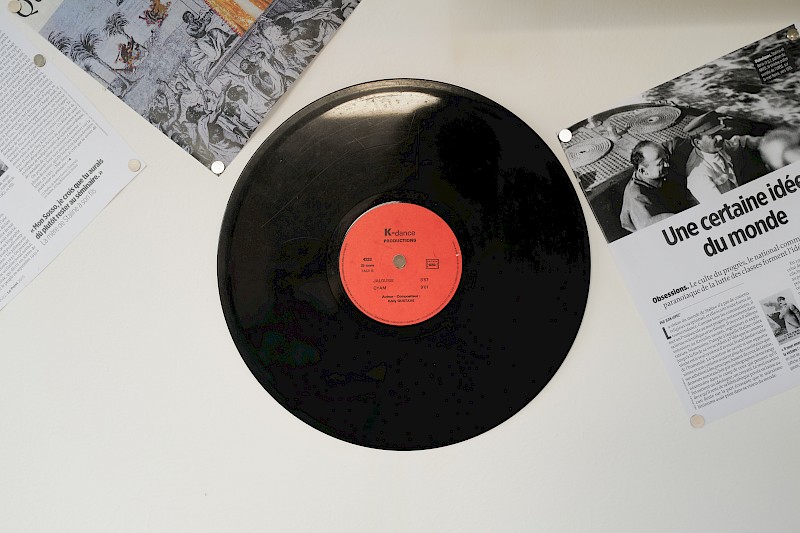
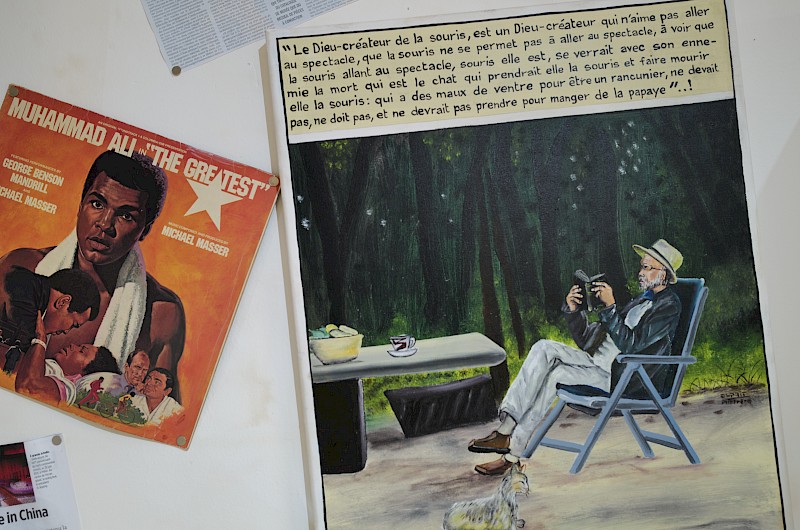
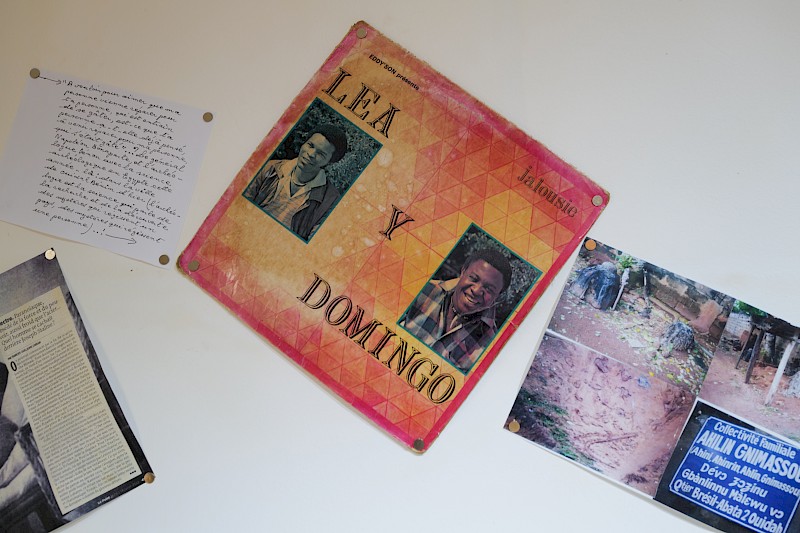
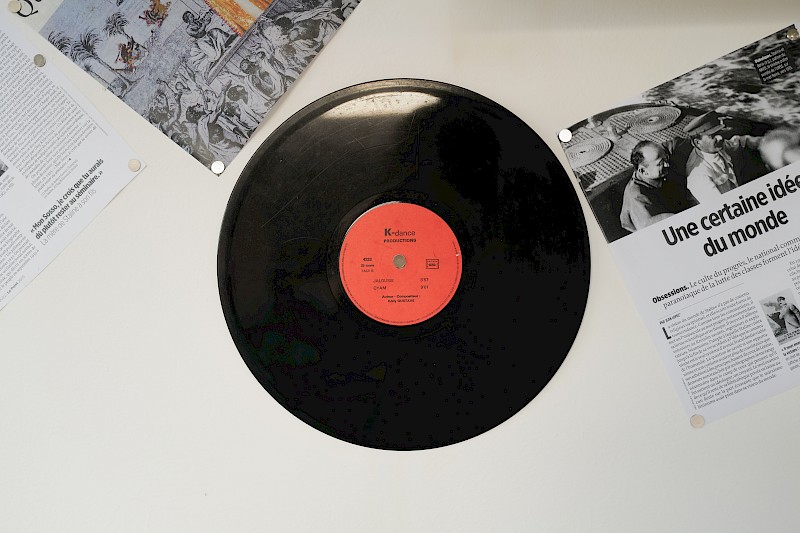
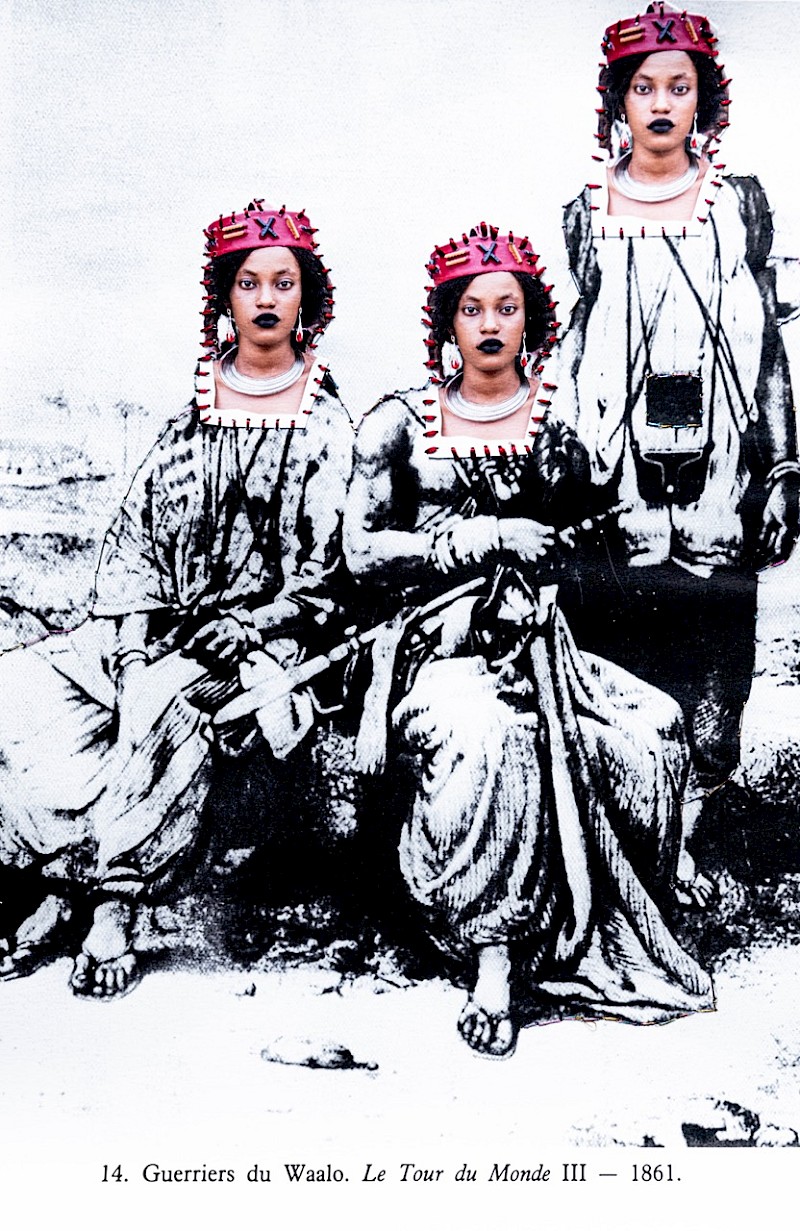
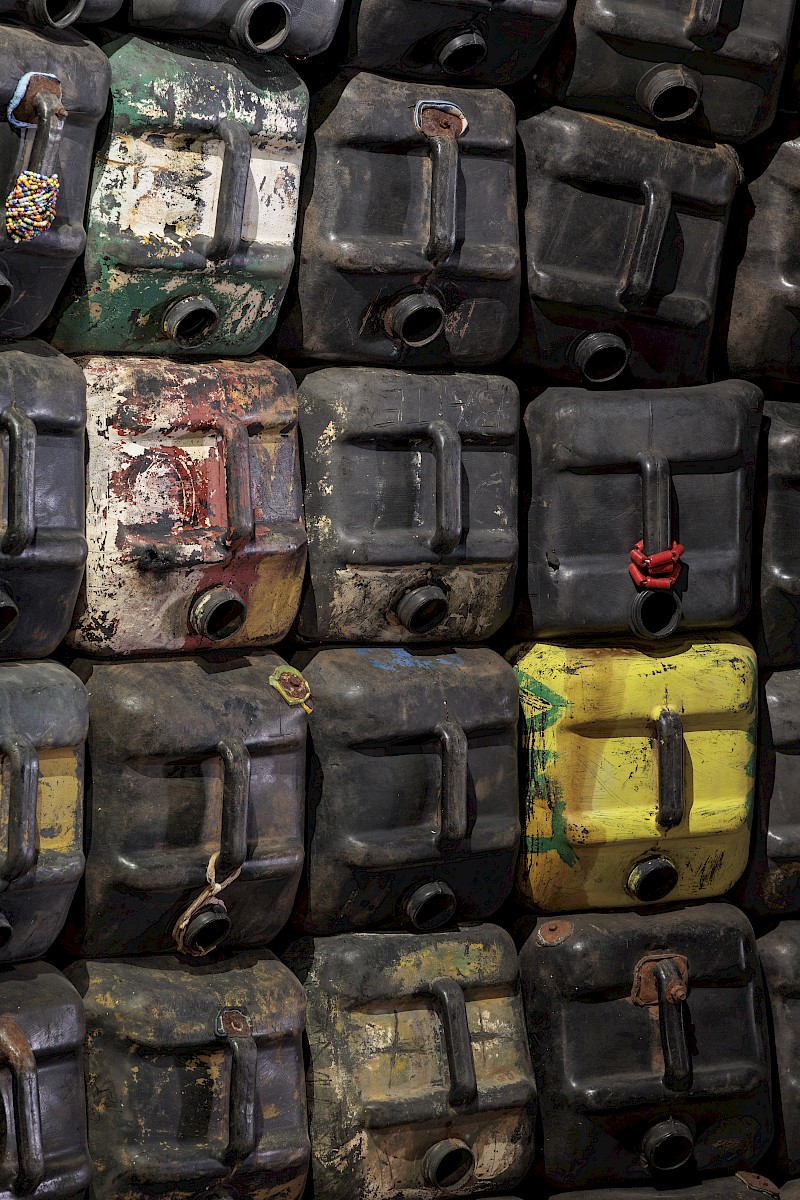
Georges Adéagbo’s installations are direct evocations of his life, as it is given to him, and as he receives it. He creates his works using found objects and works by other people, gathering books, newspapers, records, sculptures, or clothes and then arranging them meticulously in a frieze, on the floor and on walls. The apparent simplicity of the process helps us understand what is truly essential: that things are there, and that it is up to us, when they cross our path, to pay attention to what they can teach us and to adjust our gaze to what is too often overlooked. Georges Adéagbo is our guide in this exercise in reading, leaving traces of his own meditations in his installations, in the form of messages, proverbs, oracles and hypotheses written by hand in deconstructed French.
In each book, object, and silent image, answers to the riddles that make up the world are hidden. By placing them side by side and letting their formal or semantic relationships form a composition, Georges Adéagbo allows these pieces of the world to enter into dialogue and shape a narrative. In doing so, he produces a form of reality which is an alternative to the discursive logic inherited from the West: a visual and linguistic practice that places the world and empirical speculation at the forefront, instead of the artist and his own rationality. As he is a great storyteller and organizer, Georges Adéagbo can ask questions and leave the answers to the objects he encounters – the formula “art is in nature..!” returns like a refrain in several of his installations.
Georges Adéagbo’s life, marked by solitude and suffering, naturally led to his becoming a recognized artist. Self-taught, he has maintained great freedom of expression in the world of conceptual art. He willingly explains his work on space, deciphers the messages conveyed by his groups of objects, and directly imparts to us his own history, dreams and convictions. His installations are not separate from his life: every day, Georges Adéagbo searches, classifies and orders documents and objects that sustain his reflection on the world. The familiar and the erudite, the fantastic and the functional are reconciled in his work, without hierarchical categorization. Georges Adéagbo invites us to take time to reread the world with an untarnished curiosity. Serene images illustrating a calendar can stand alongside sculptures from the Western Middle Ages and present-day Benin: as in life, time takes on an elastic and relative quality, cultures mingle, languages intertwine. We reflect on universal ideas – religion, art, love, filiation, knowledge – by exploring what is in front of us, and by choosing the things that will bring us answers. Such availability to the world is what makes Georges Adéagbo’s work so radical: by challenging the logical systems of a dominant Western culture and deconstructing the language of the former colonizer, he offers us an open system where we can think freely.